By Adabogo Isaac Awingosida | Dastech FM 90.1 News | Monday, October 26, 2026
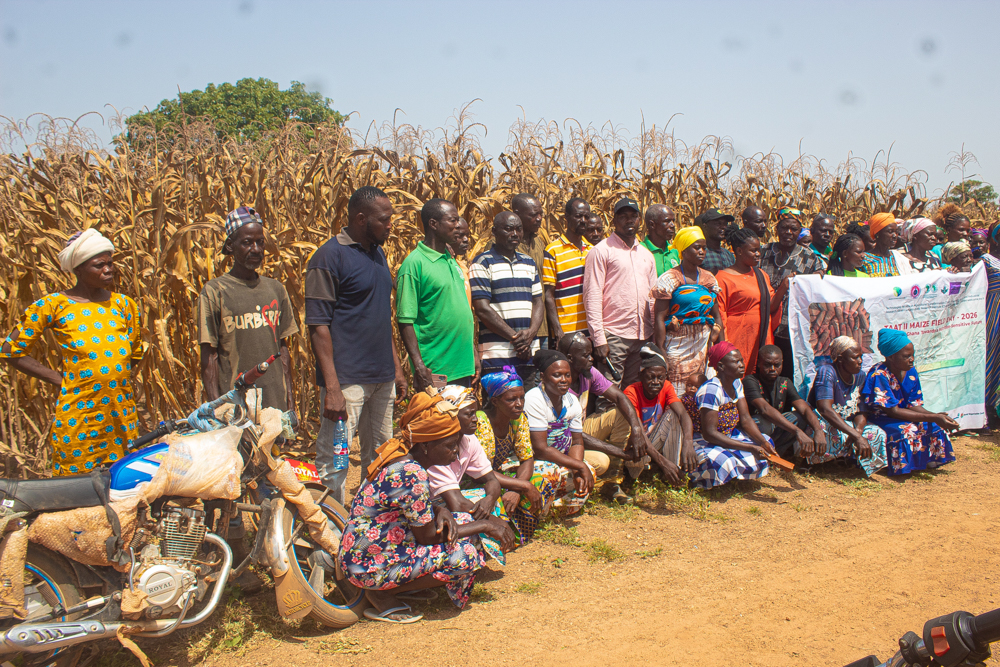
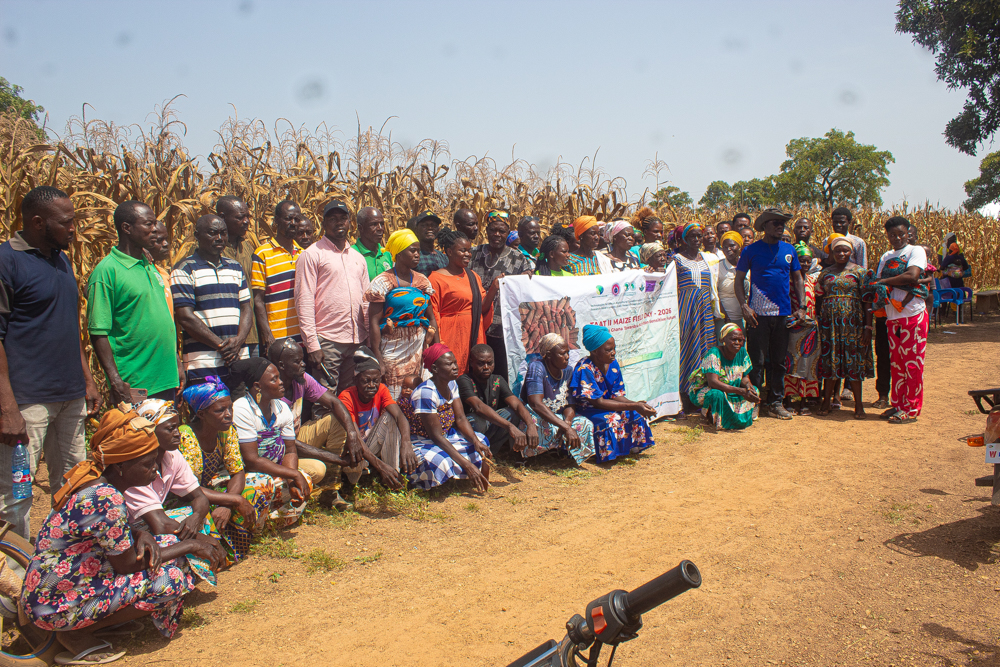
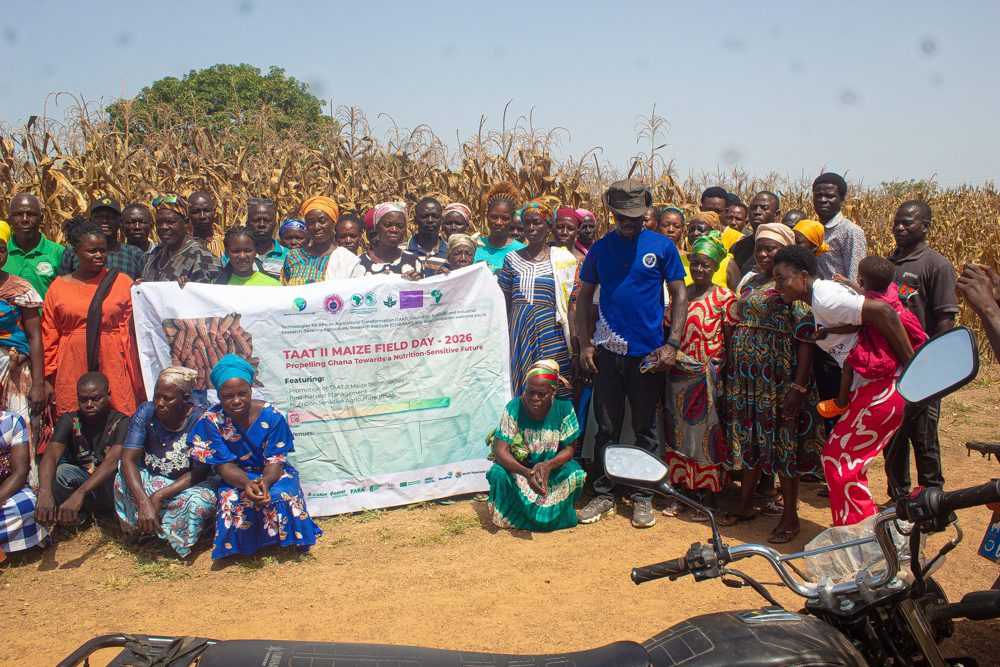
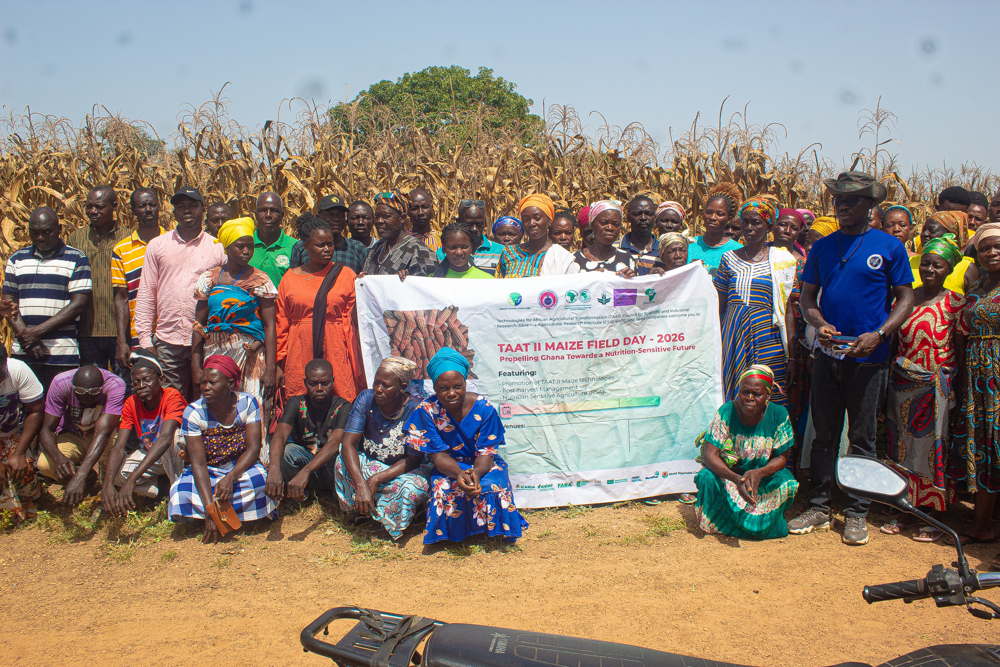
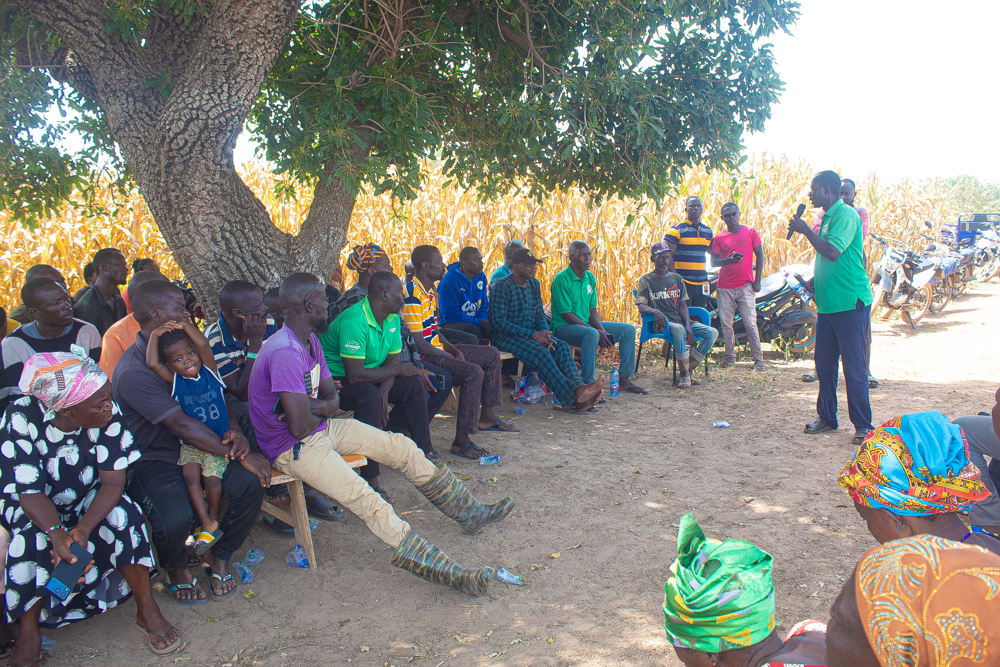
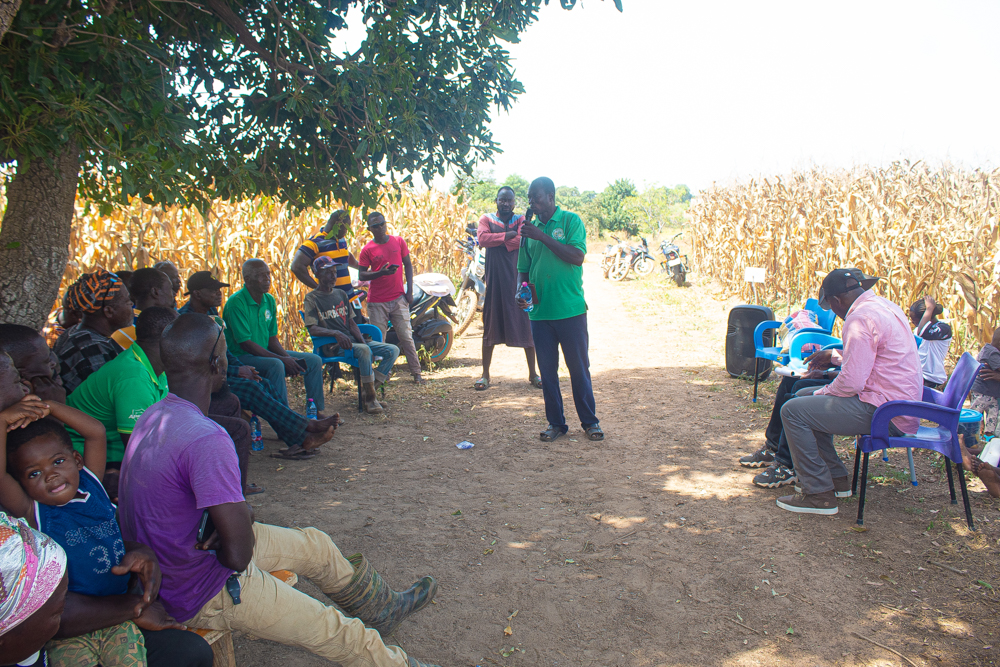
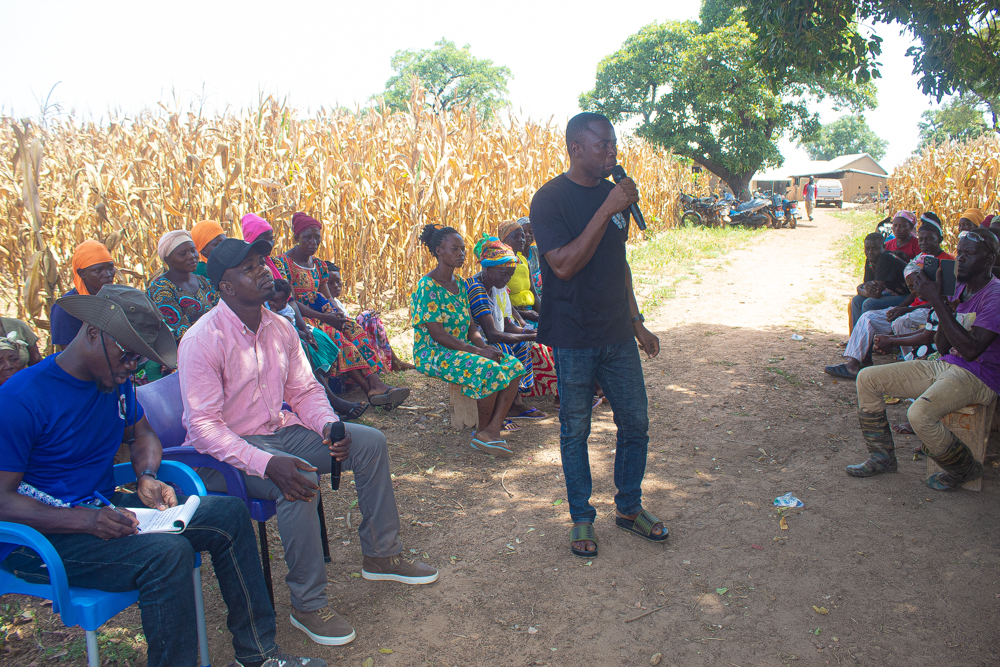
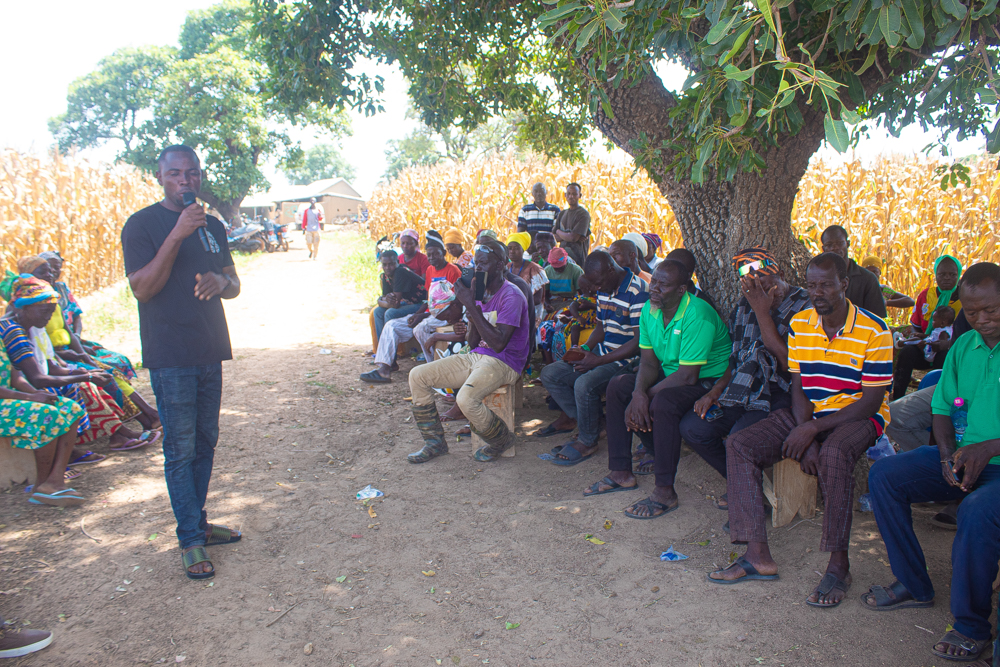
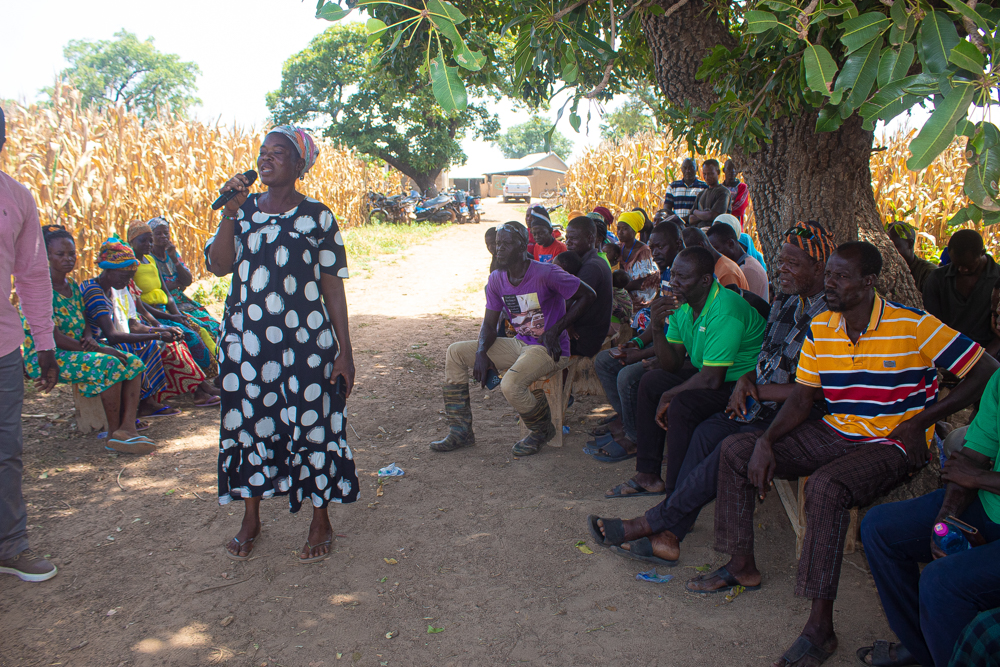
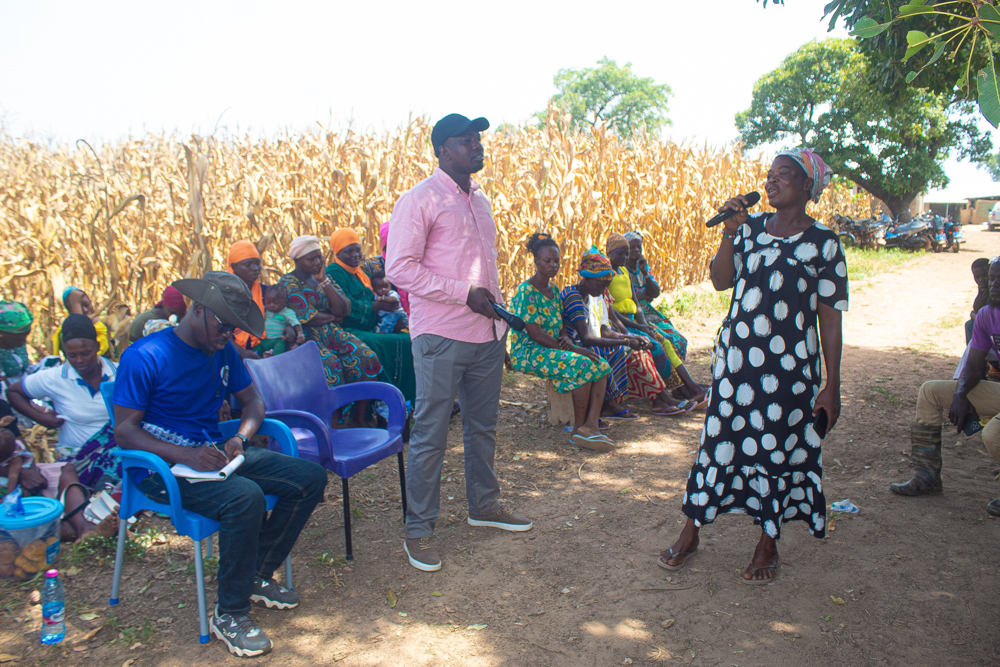
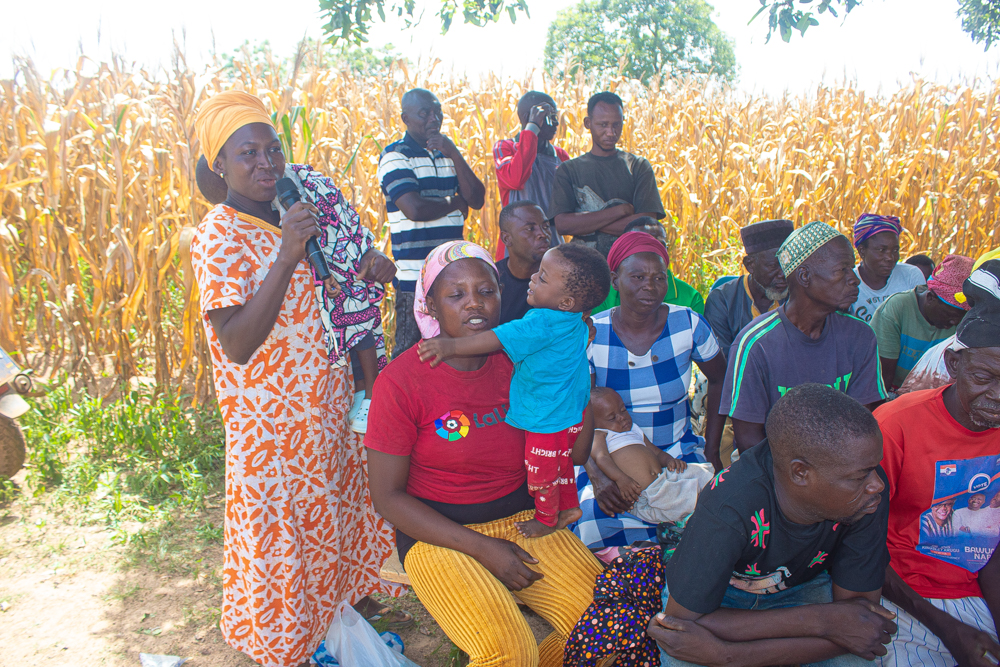
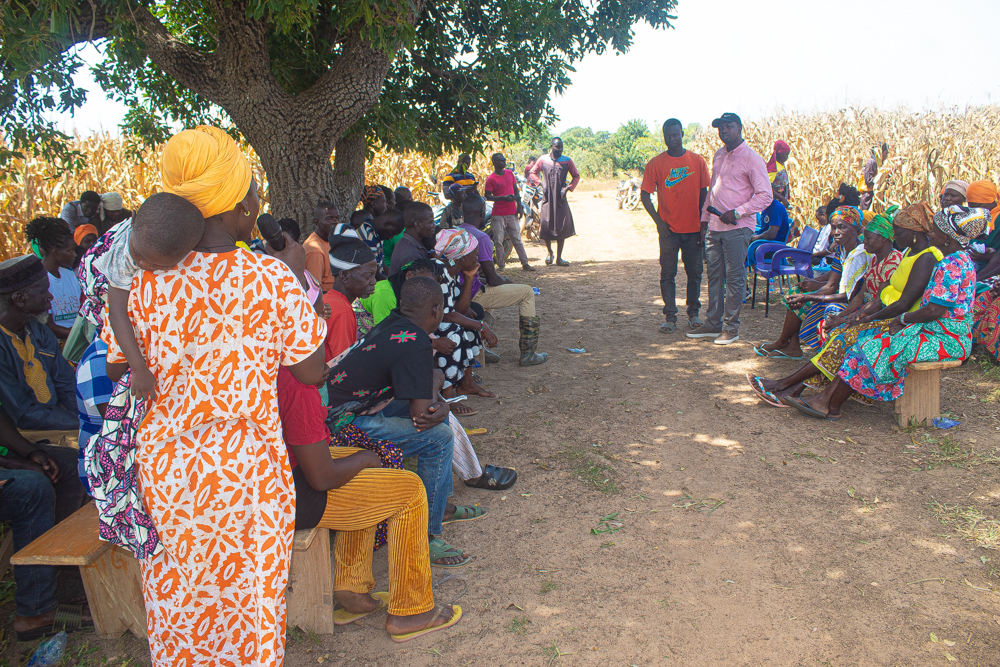
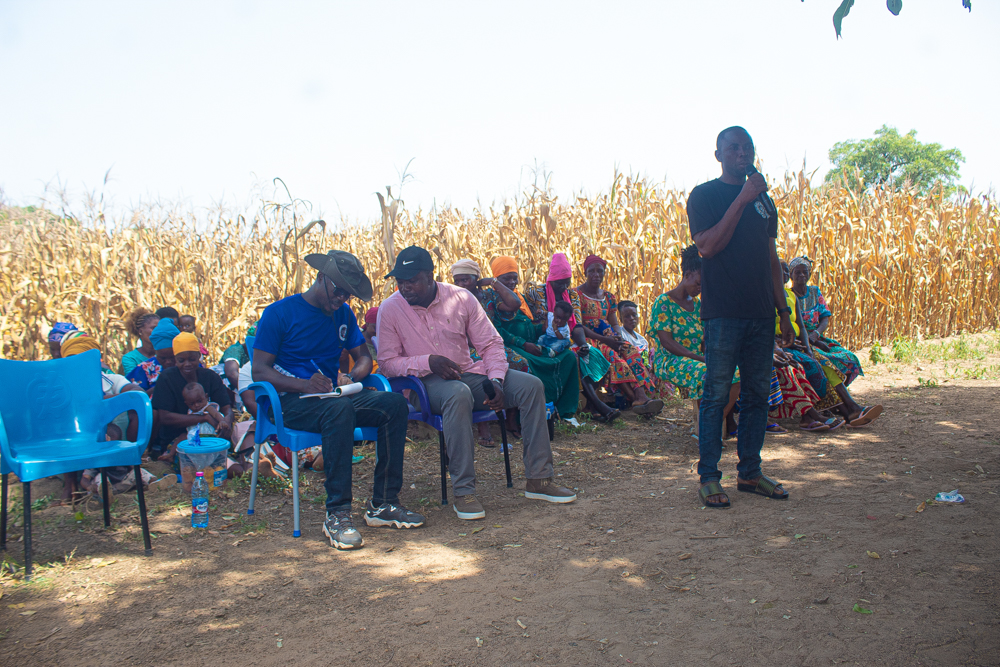
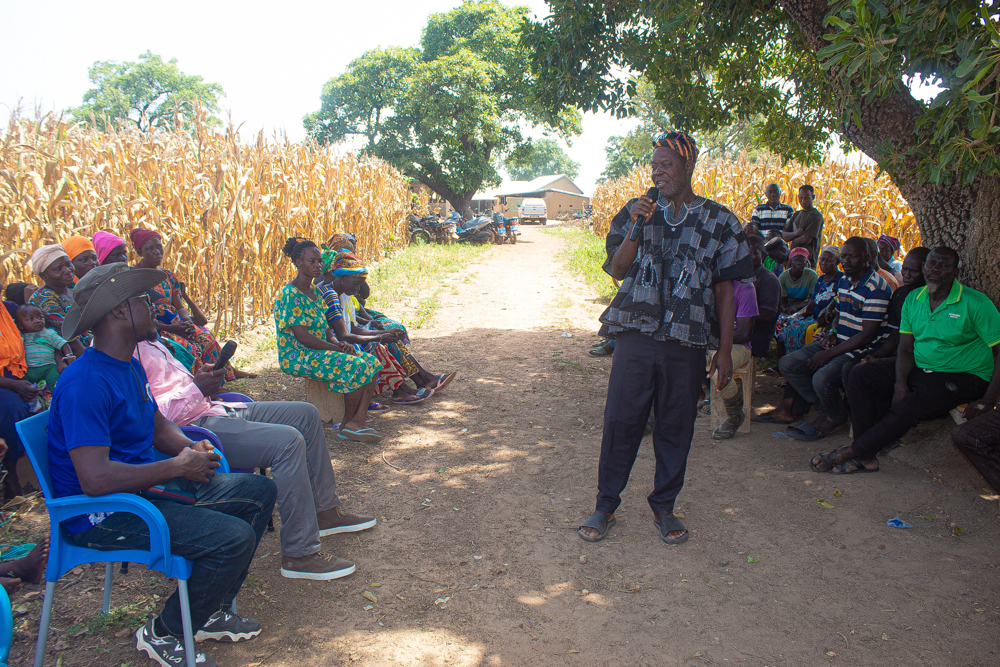
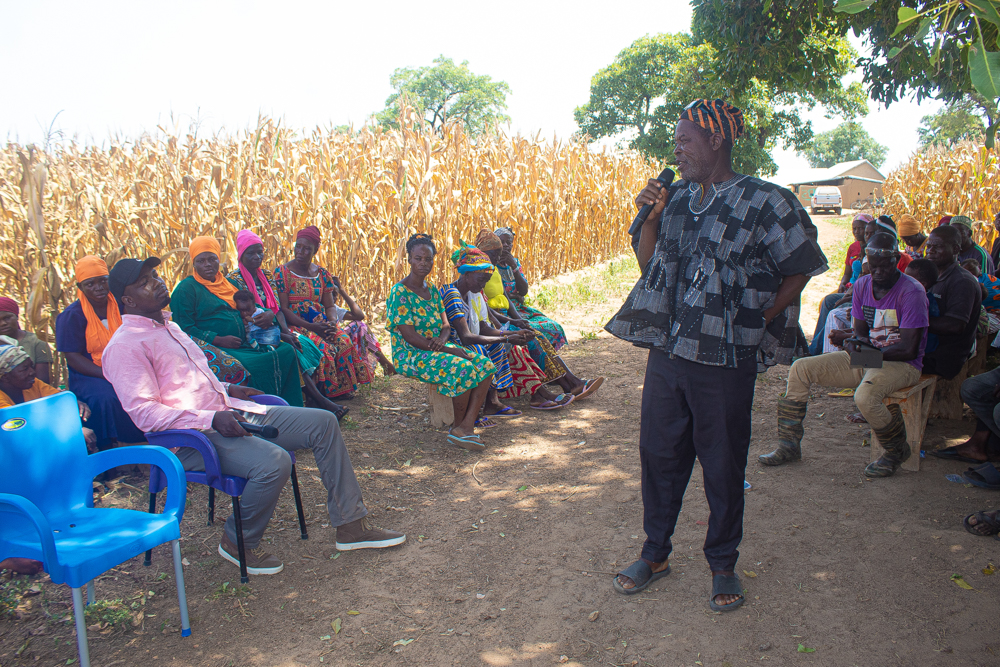
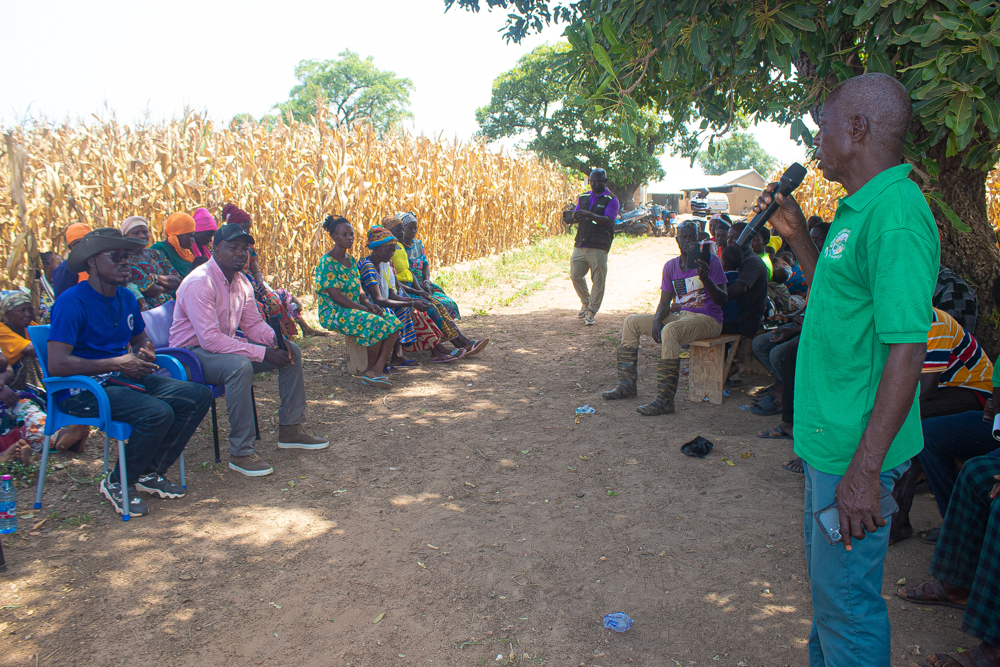
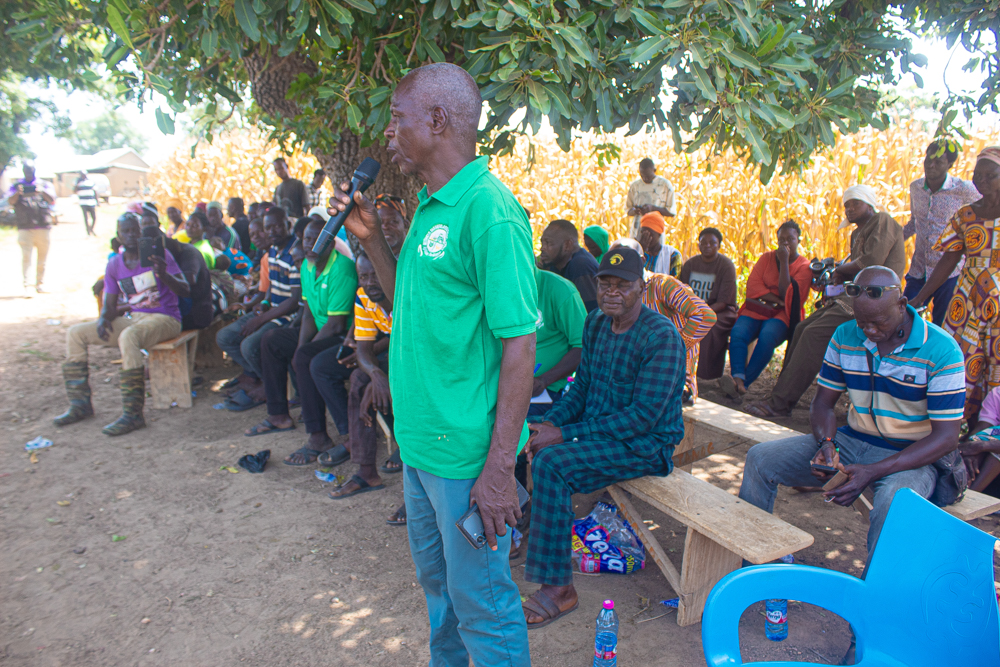
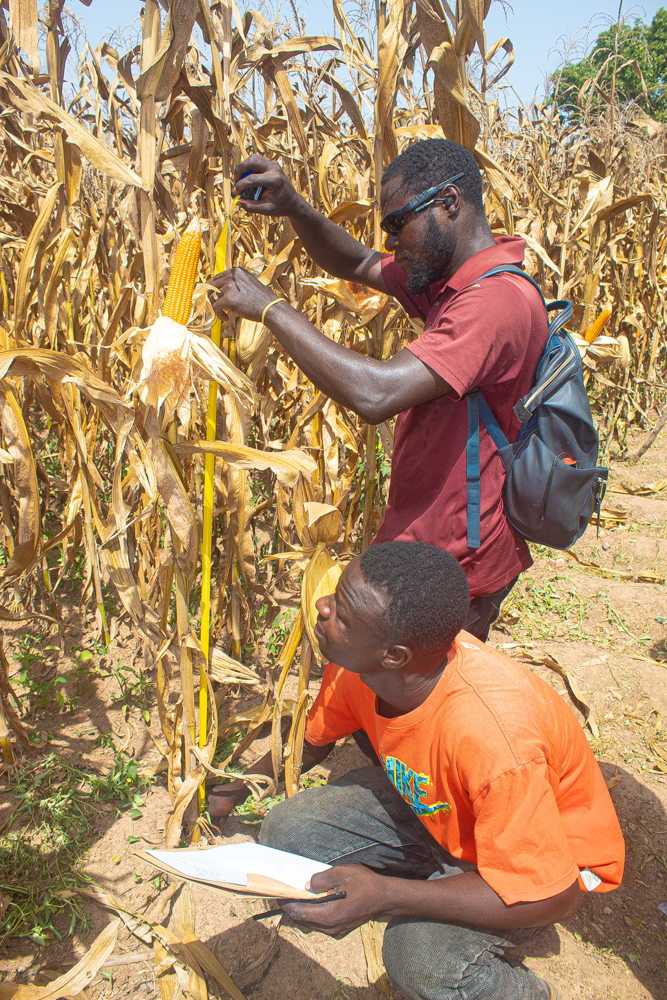
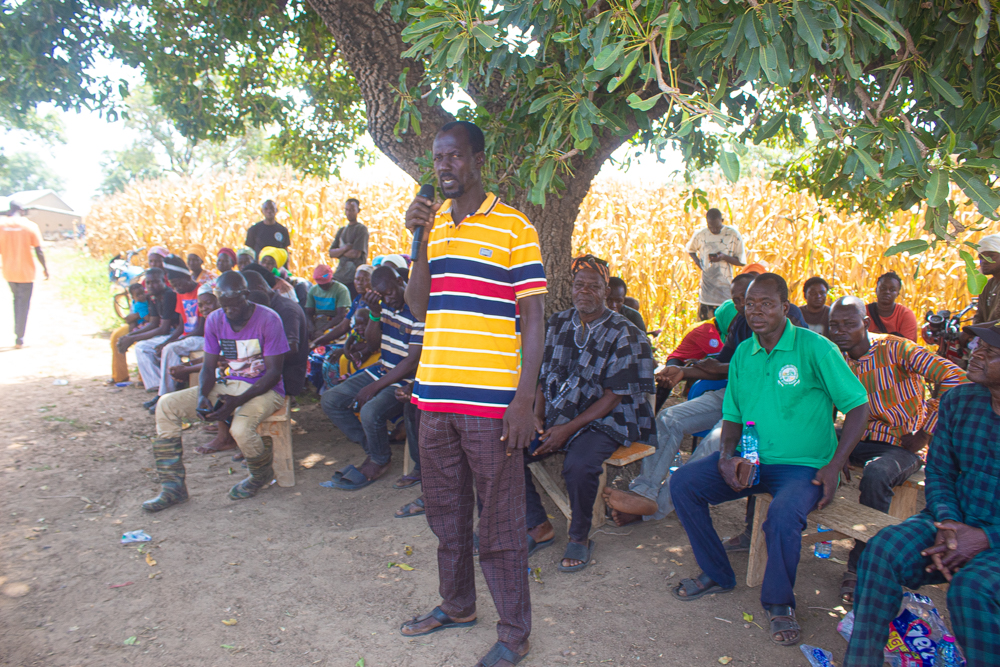
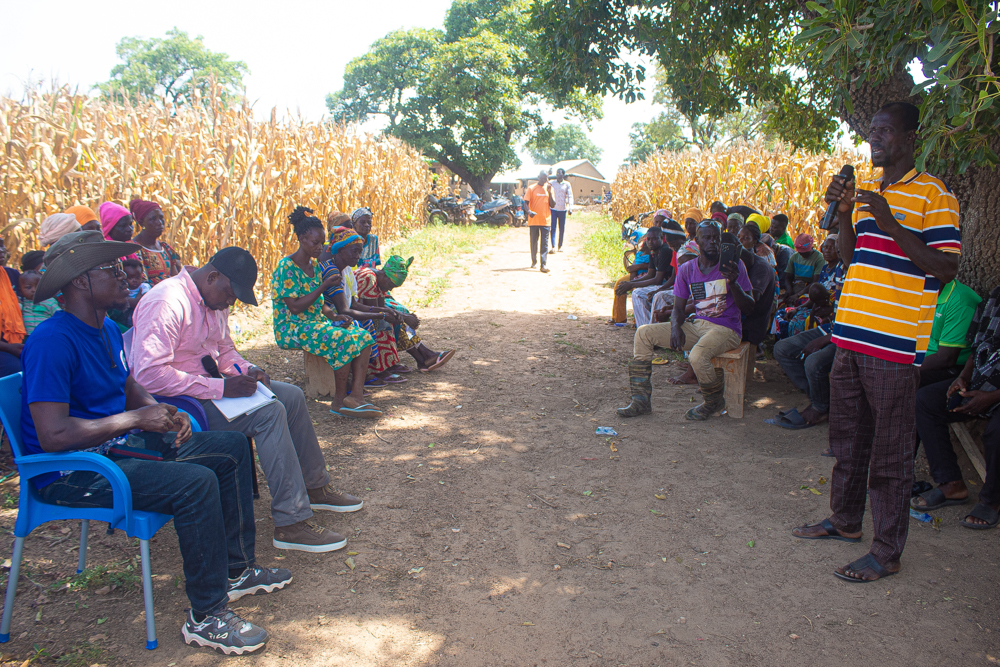
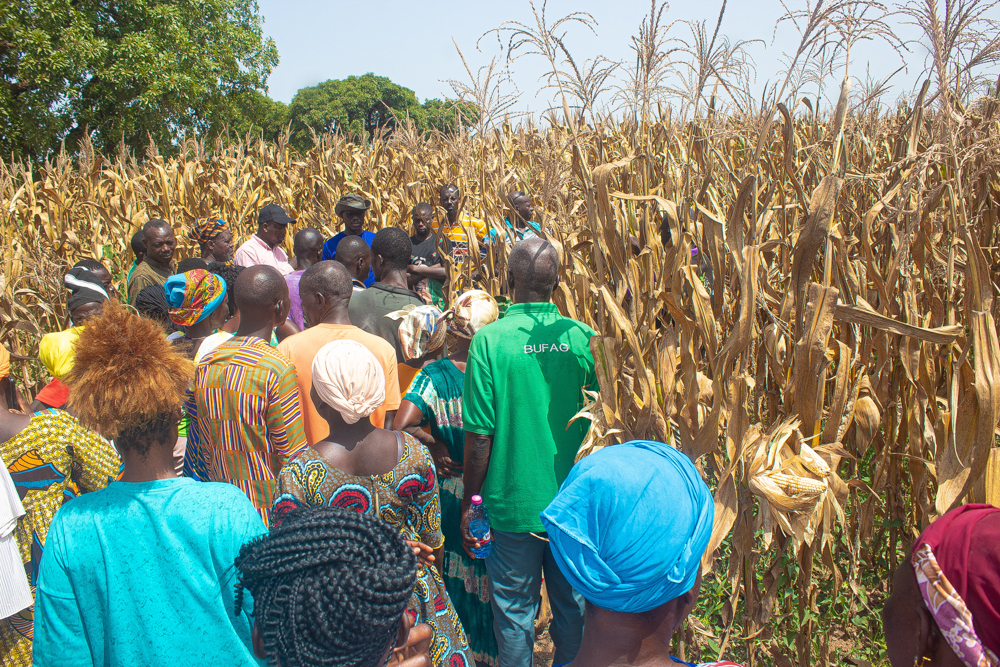
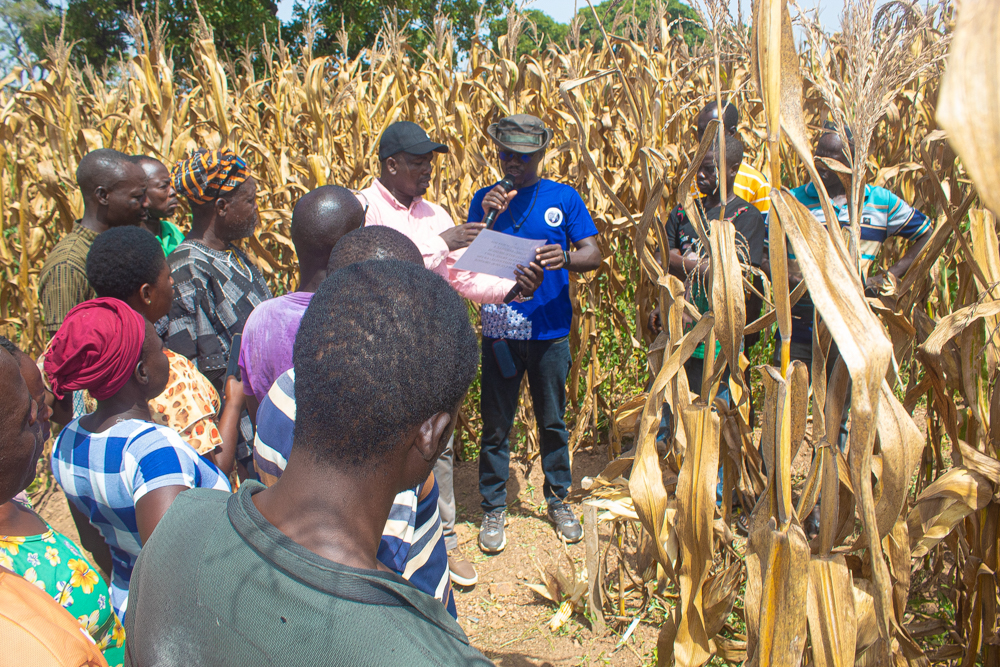
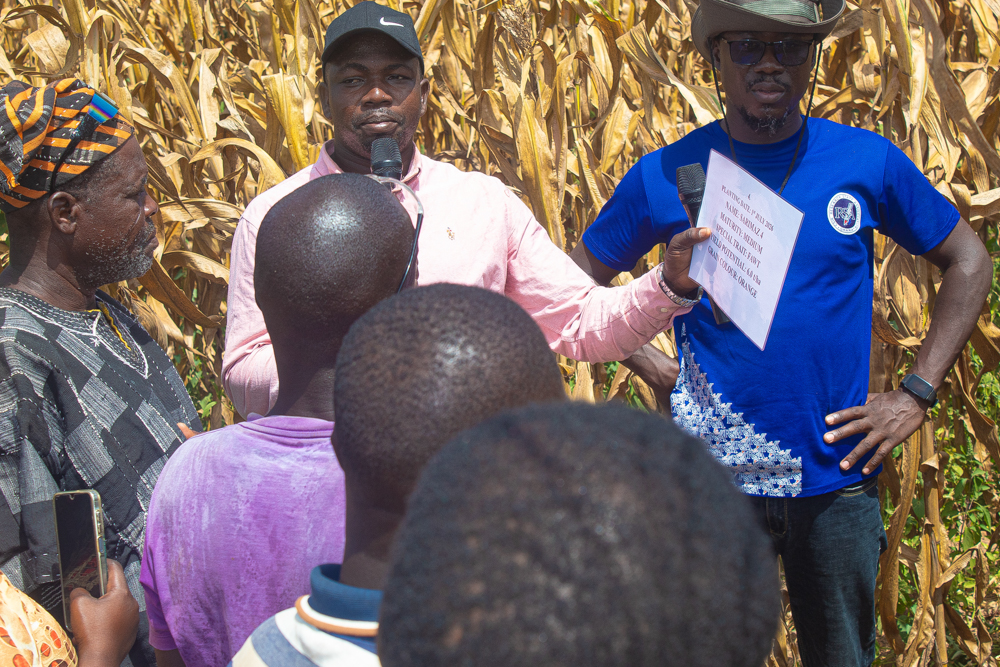
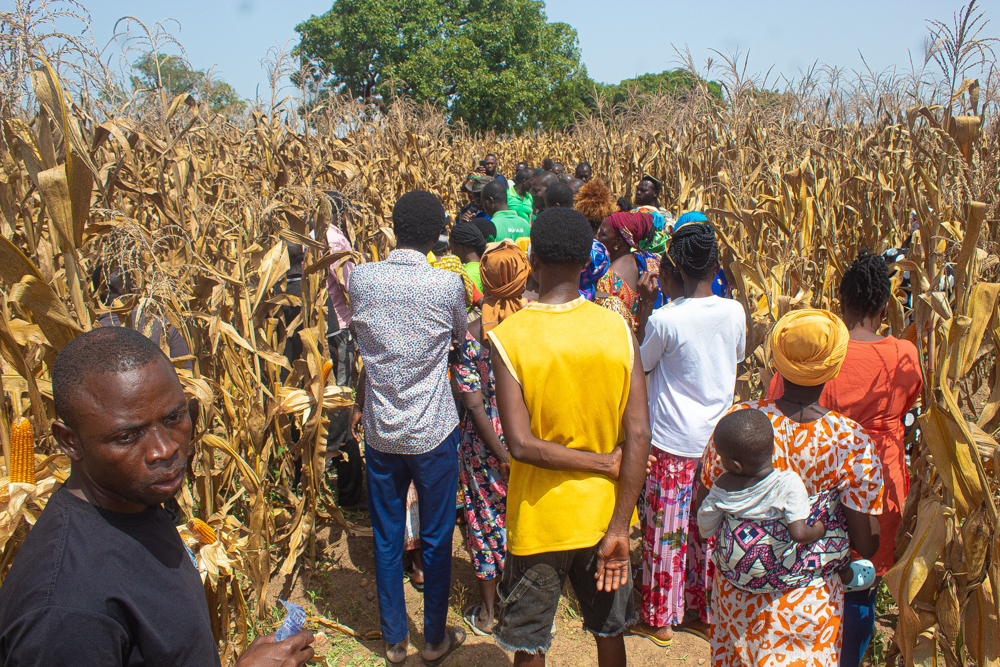
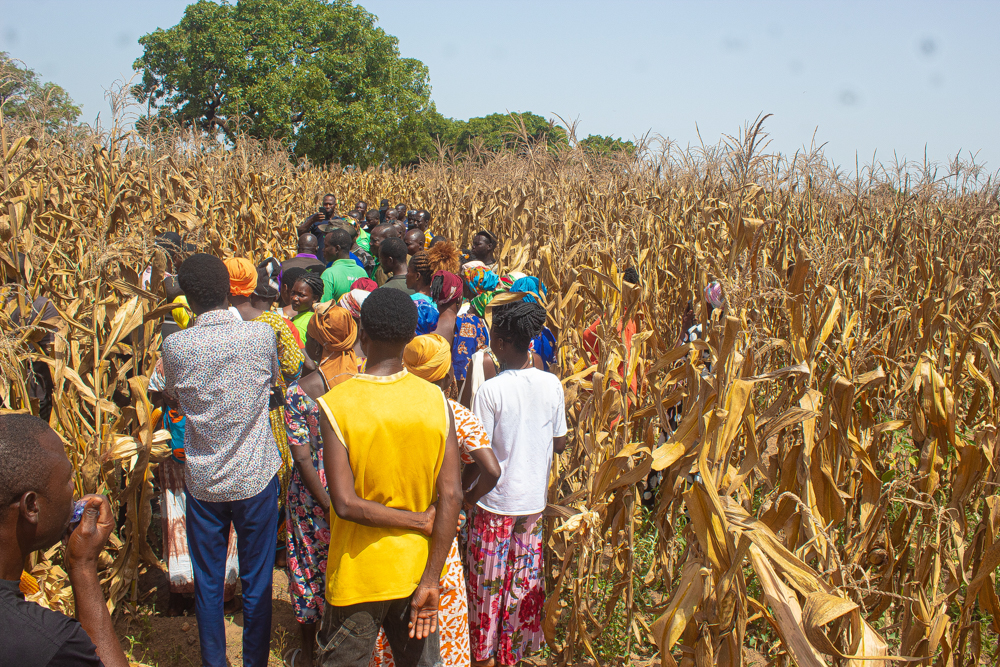
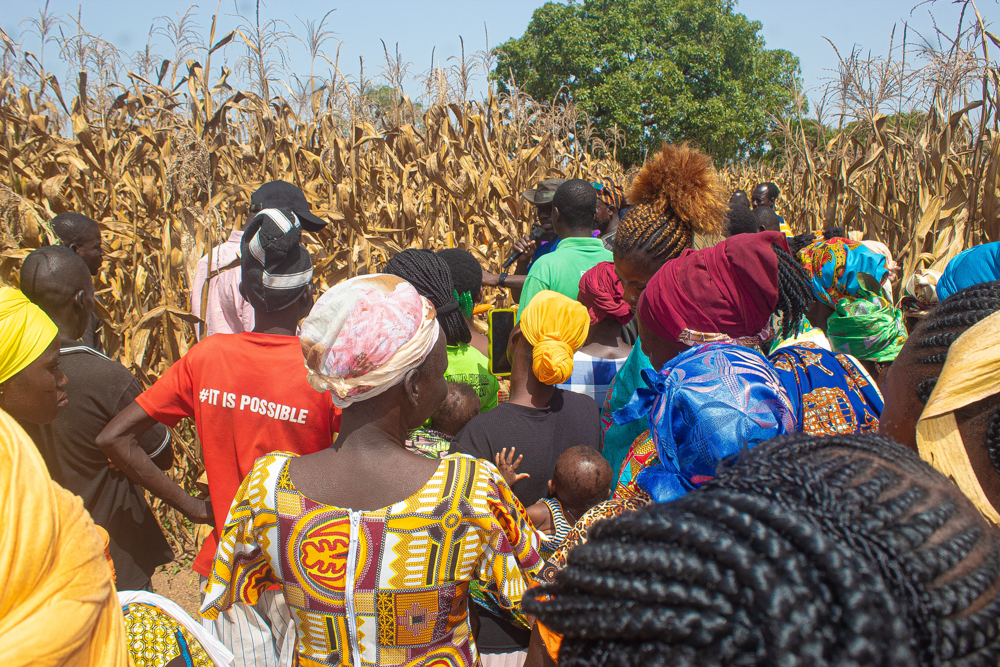
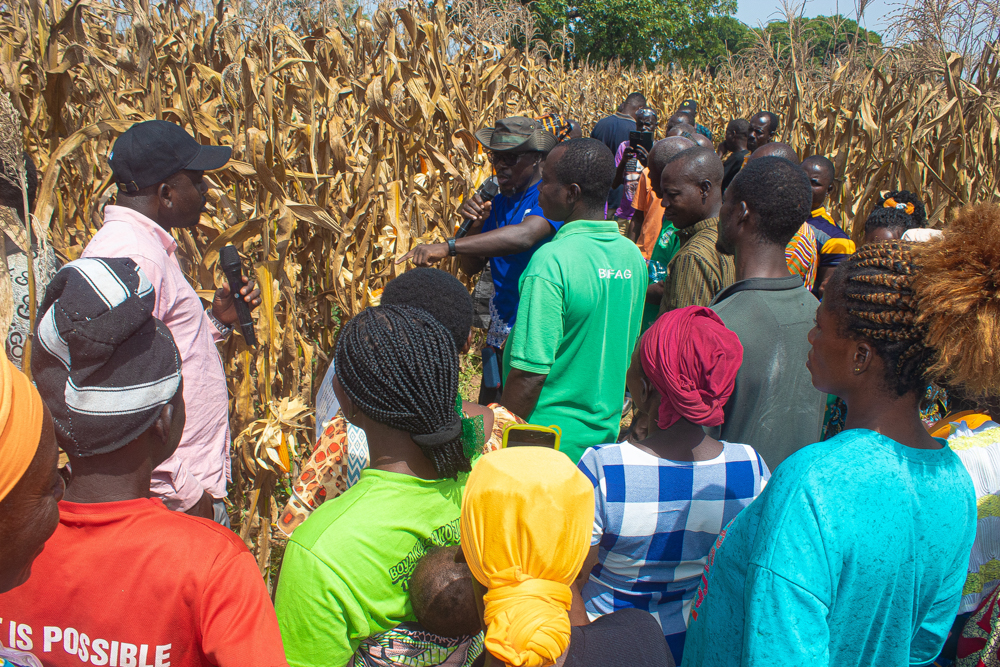
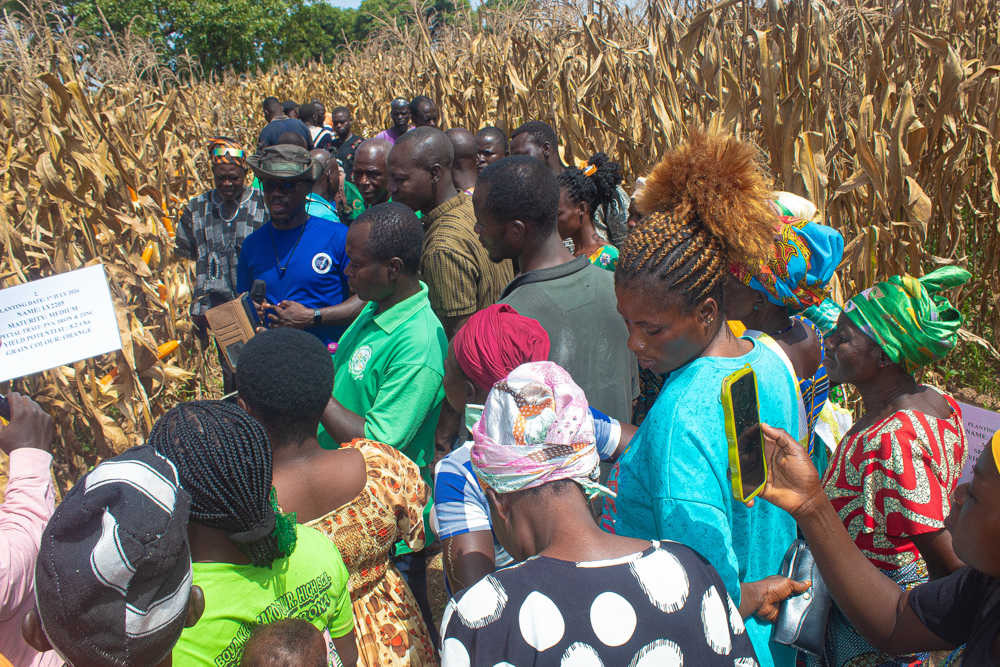
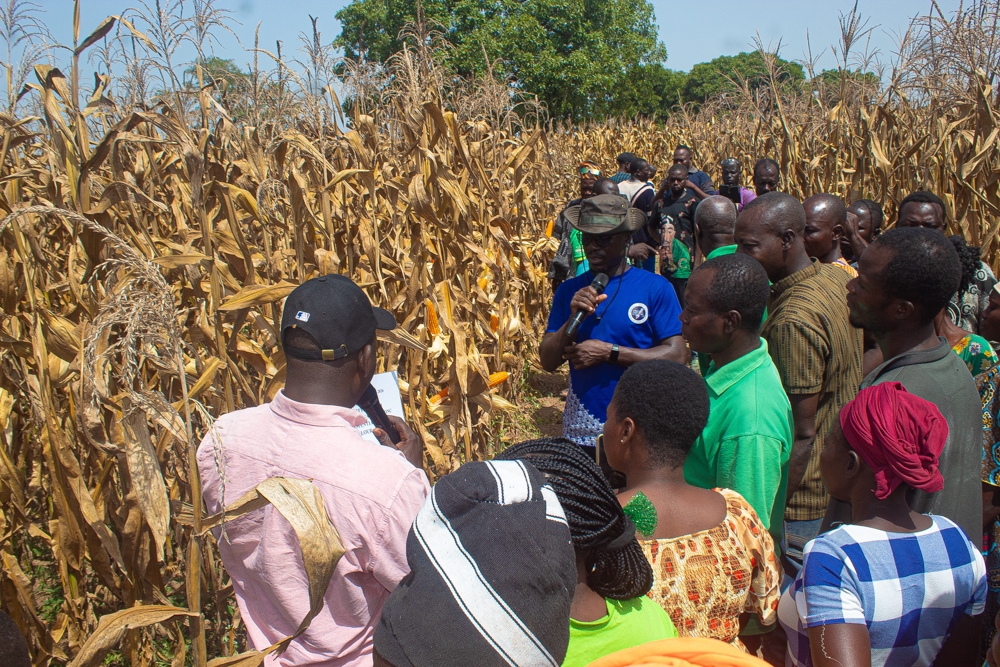
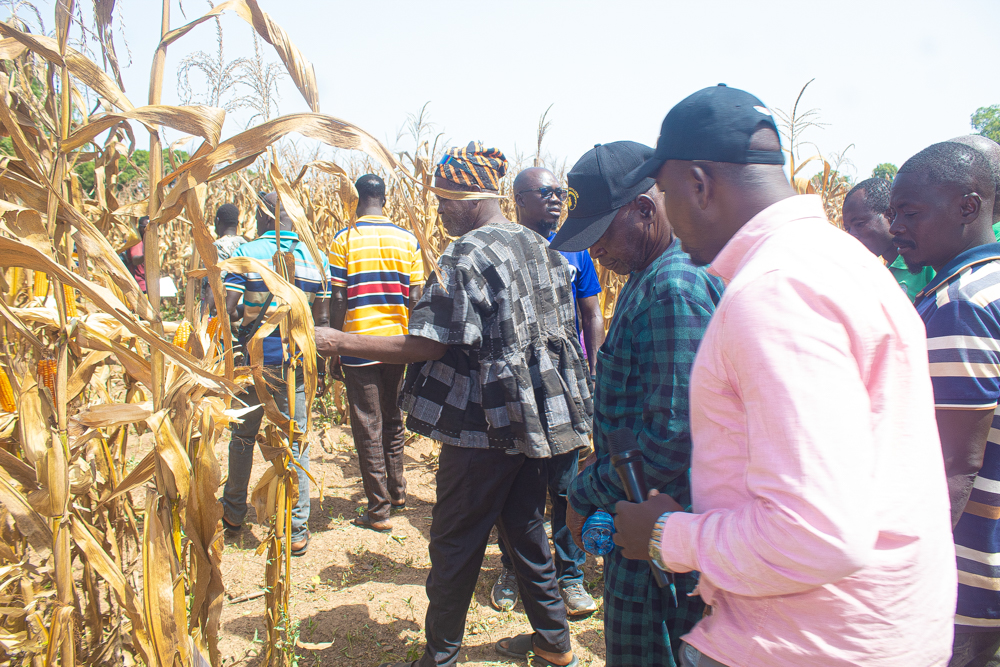
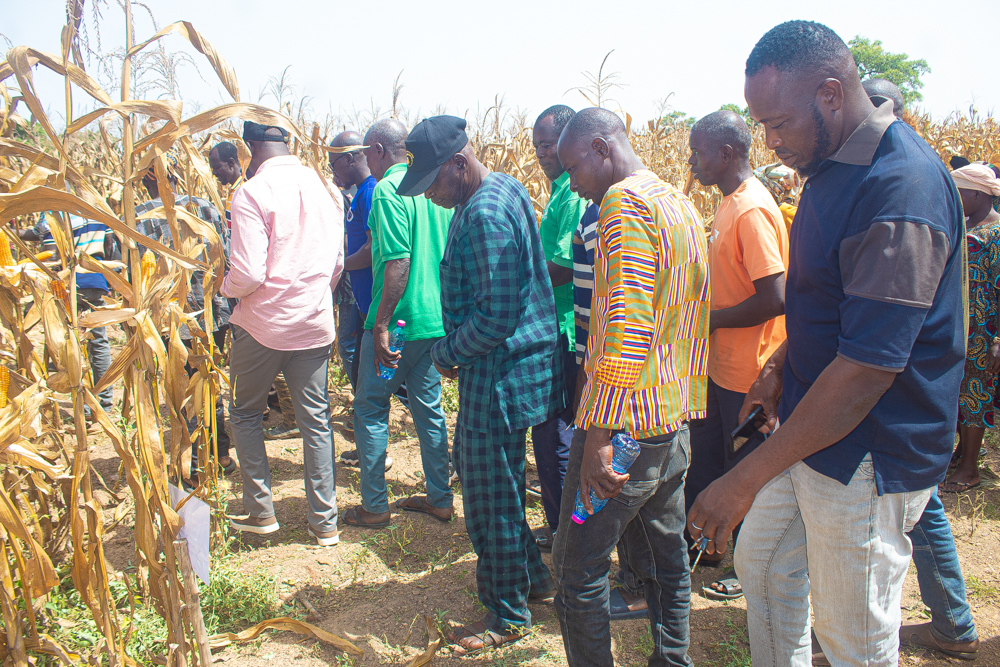
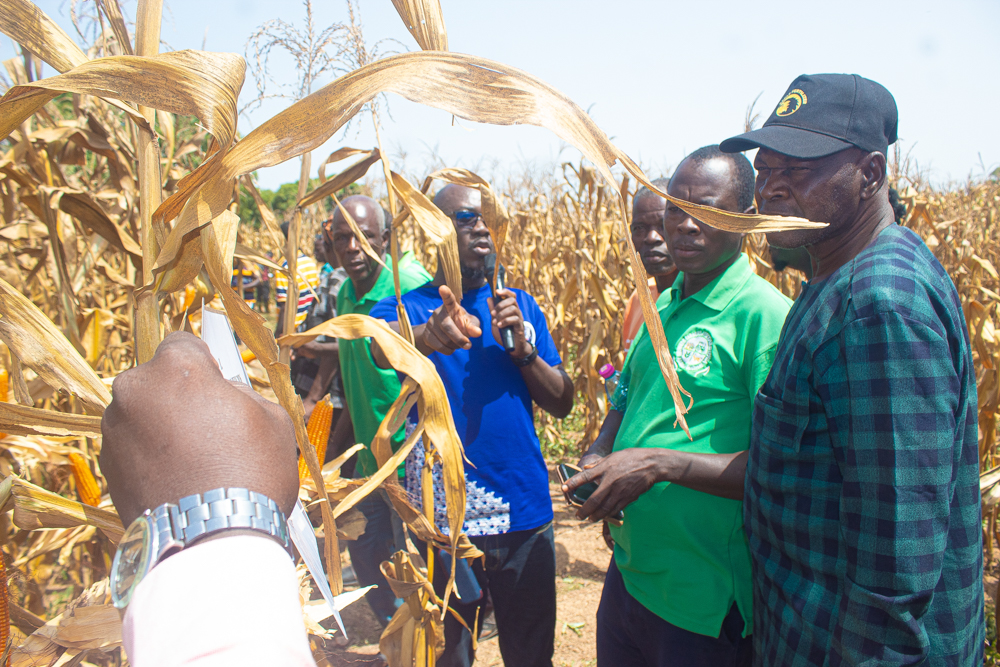
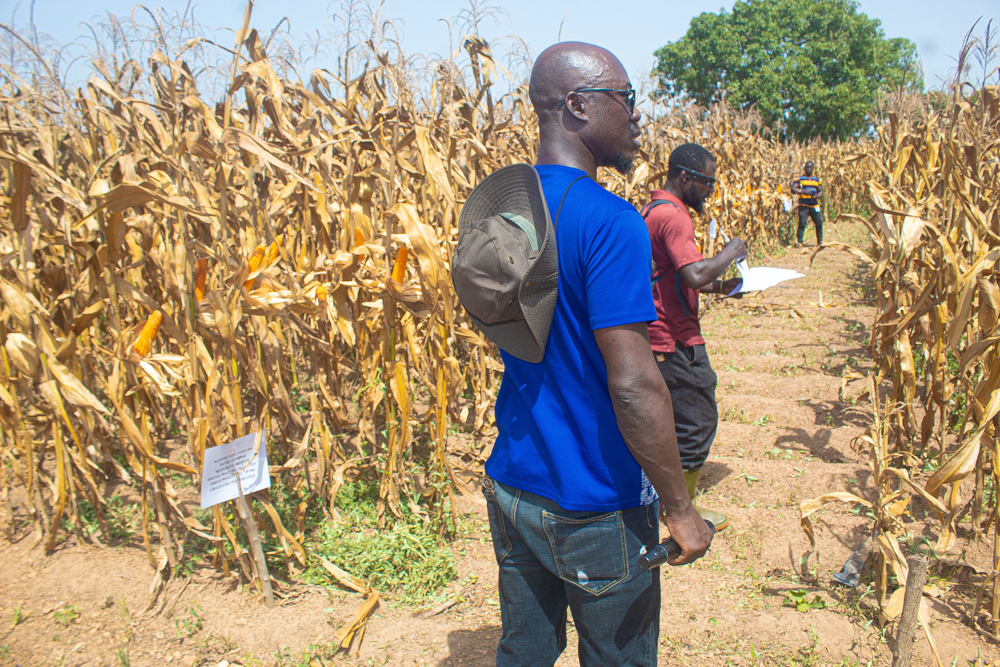
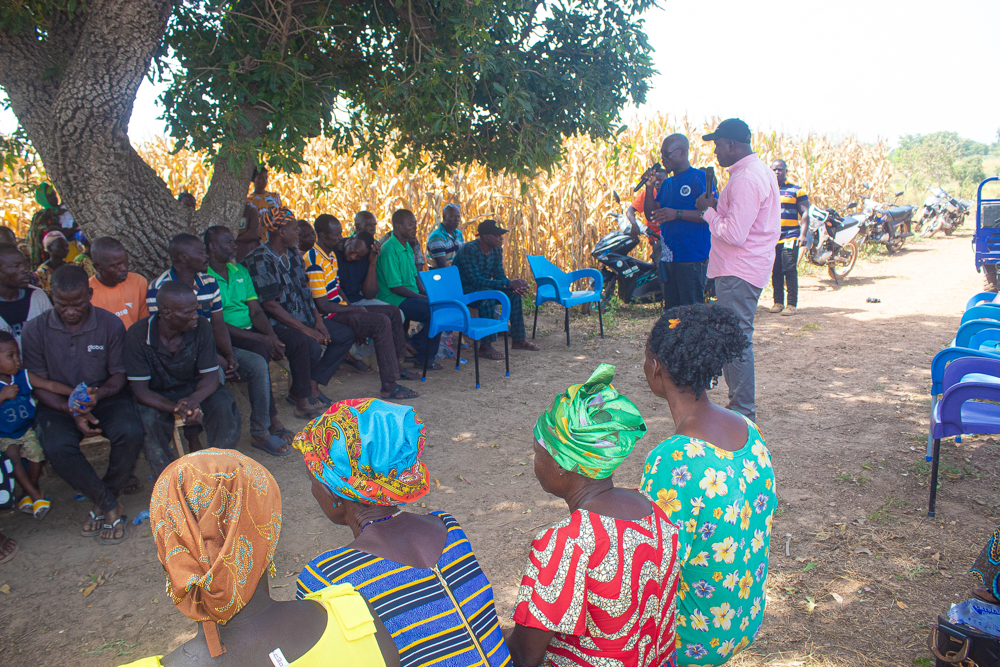
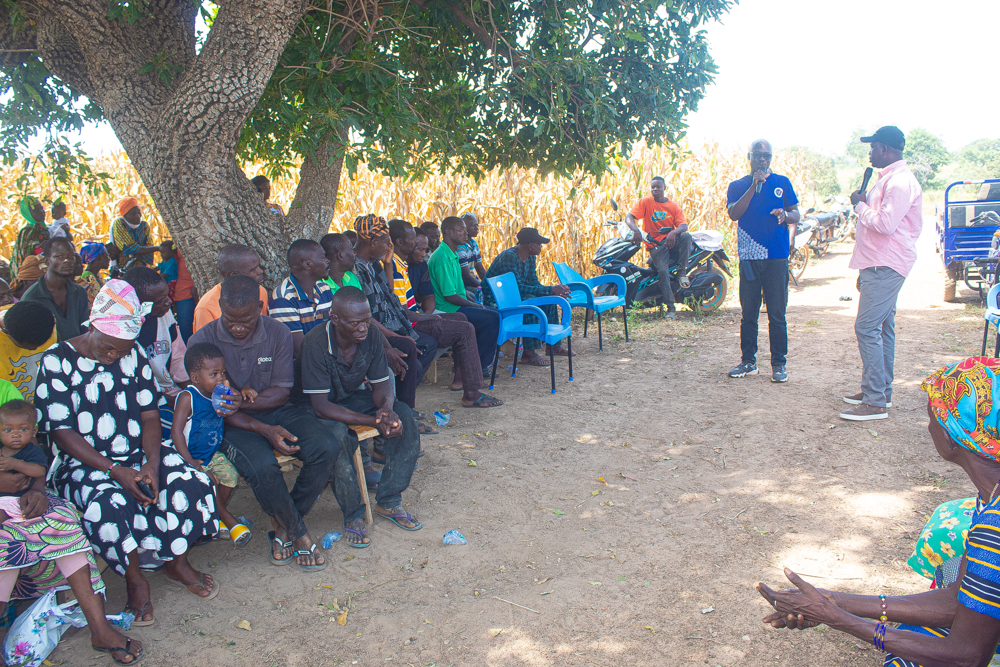
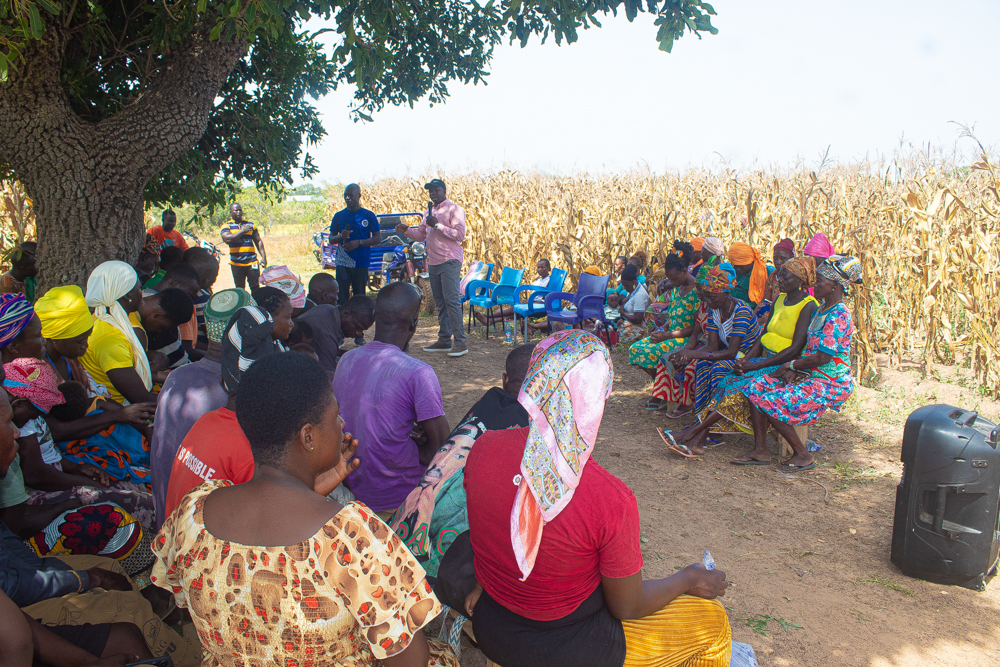
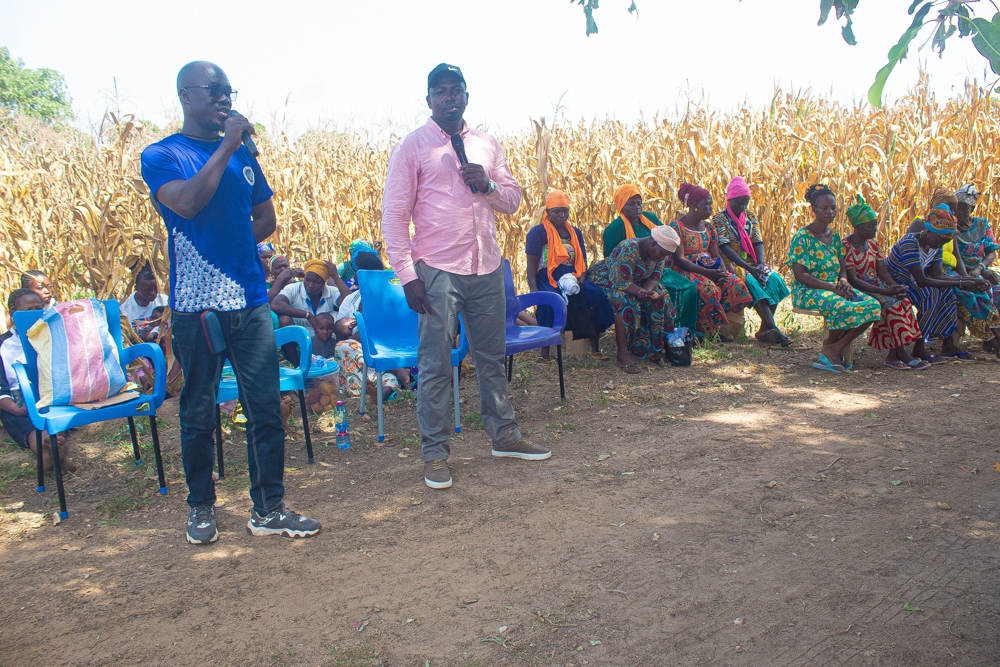
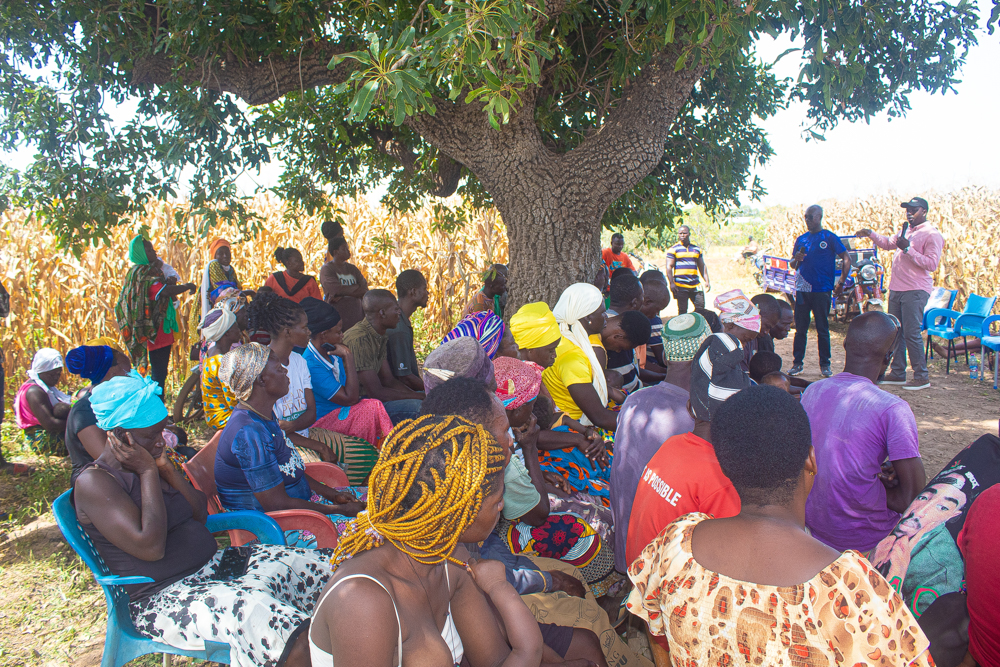
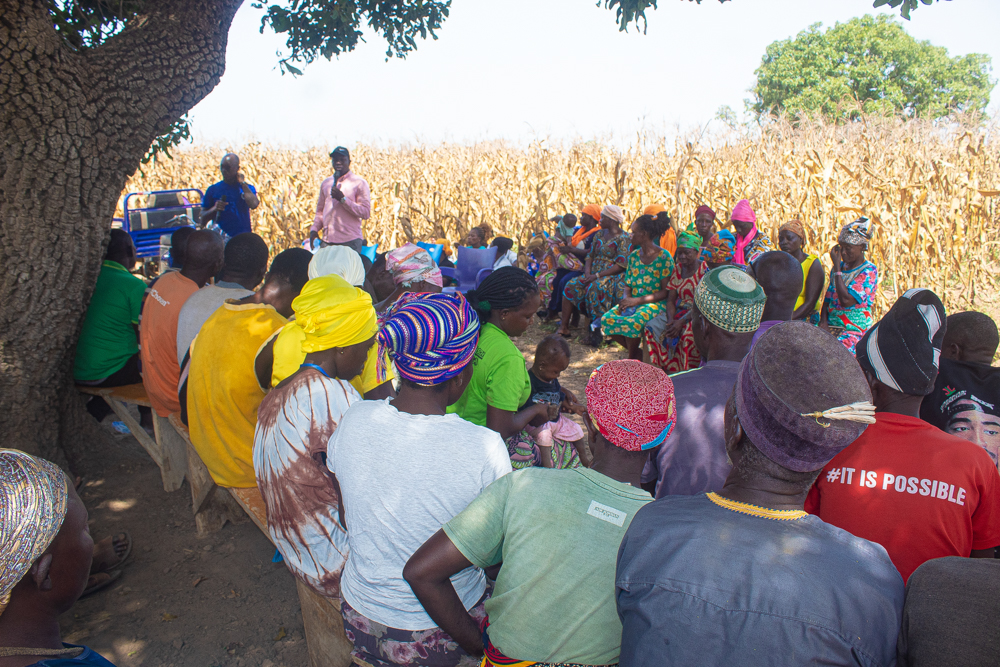
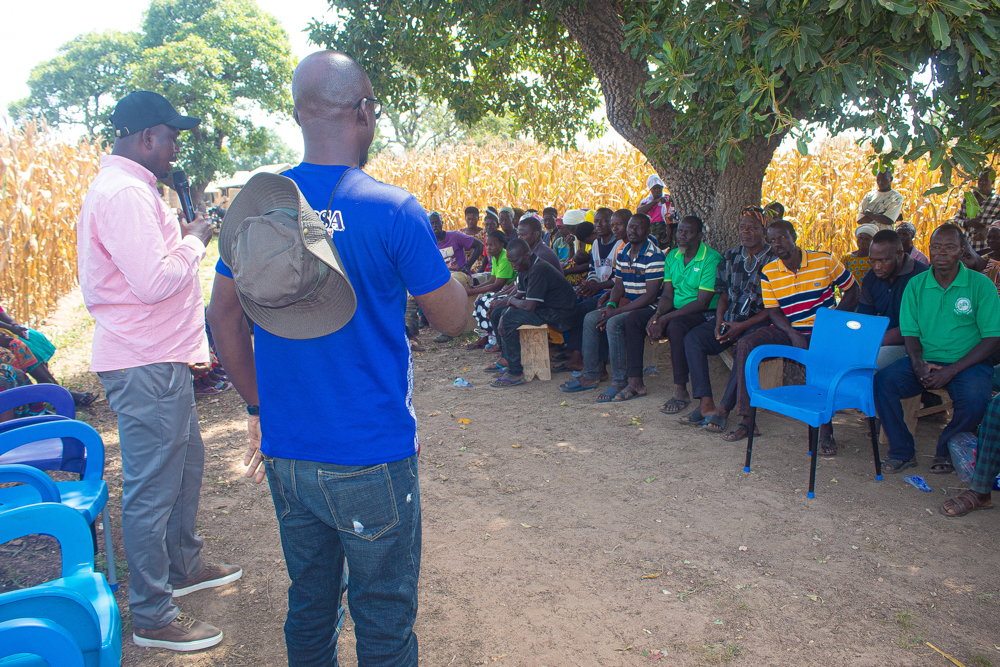
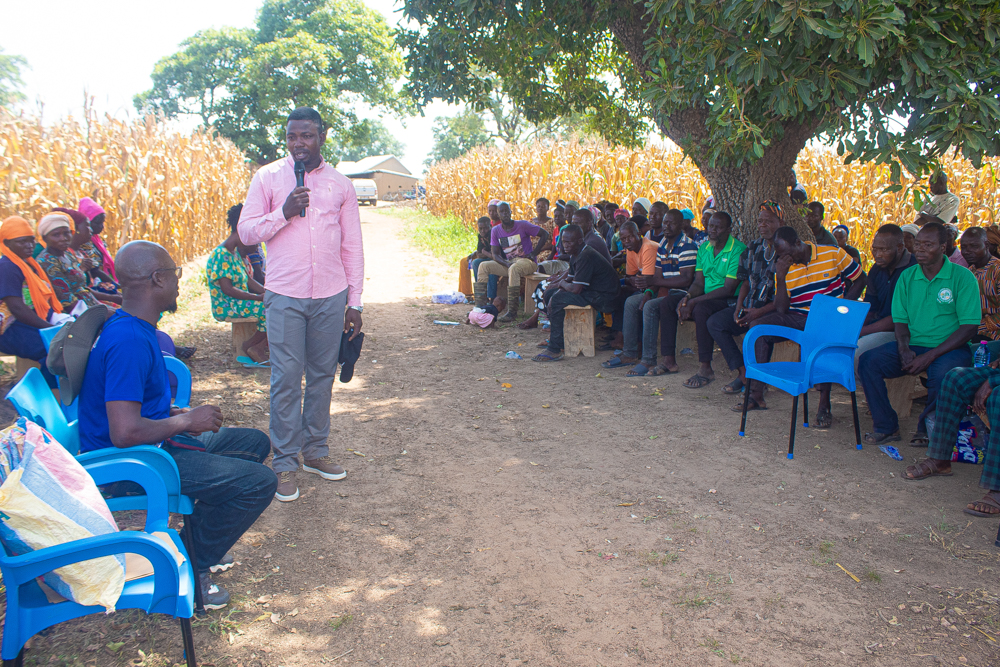
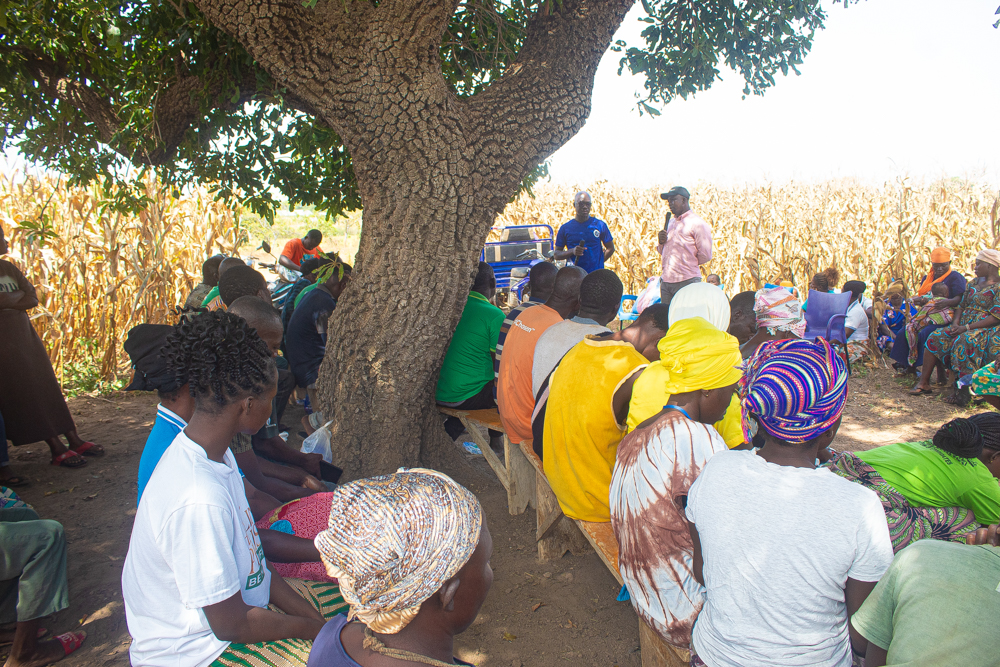
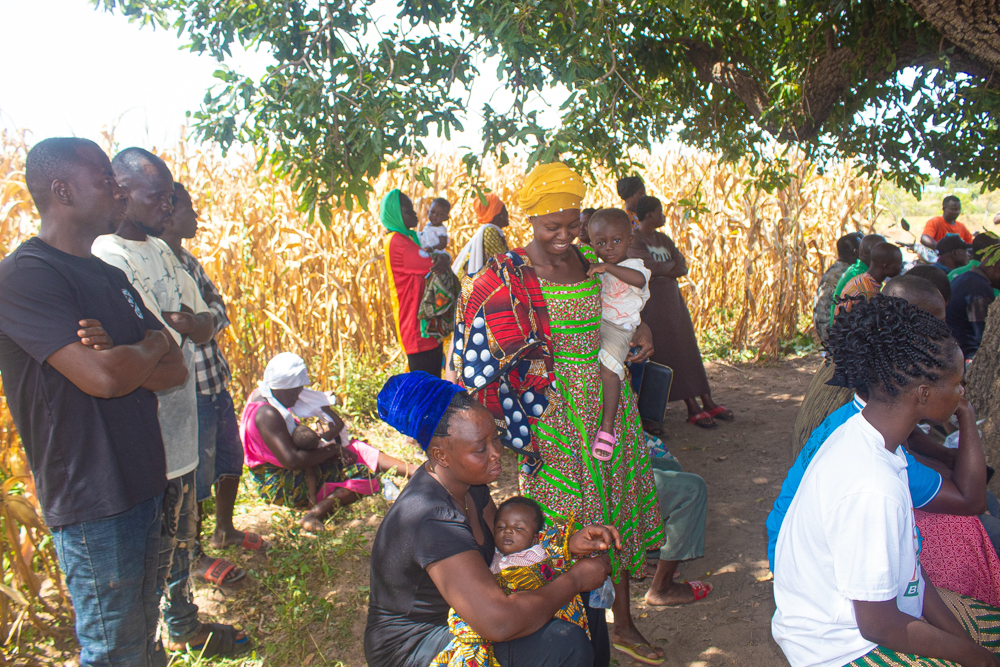
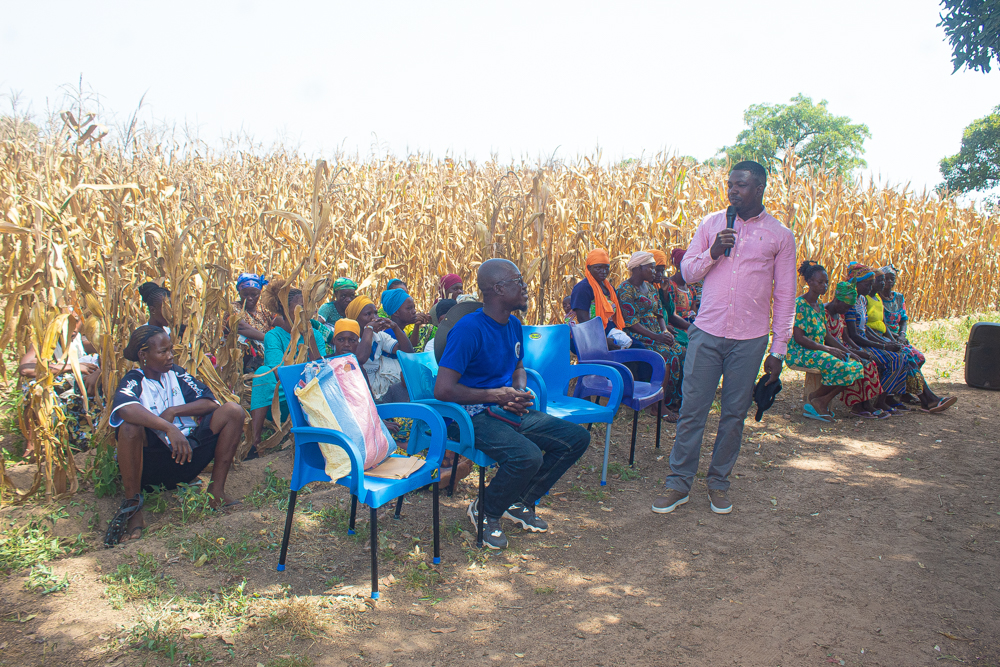
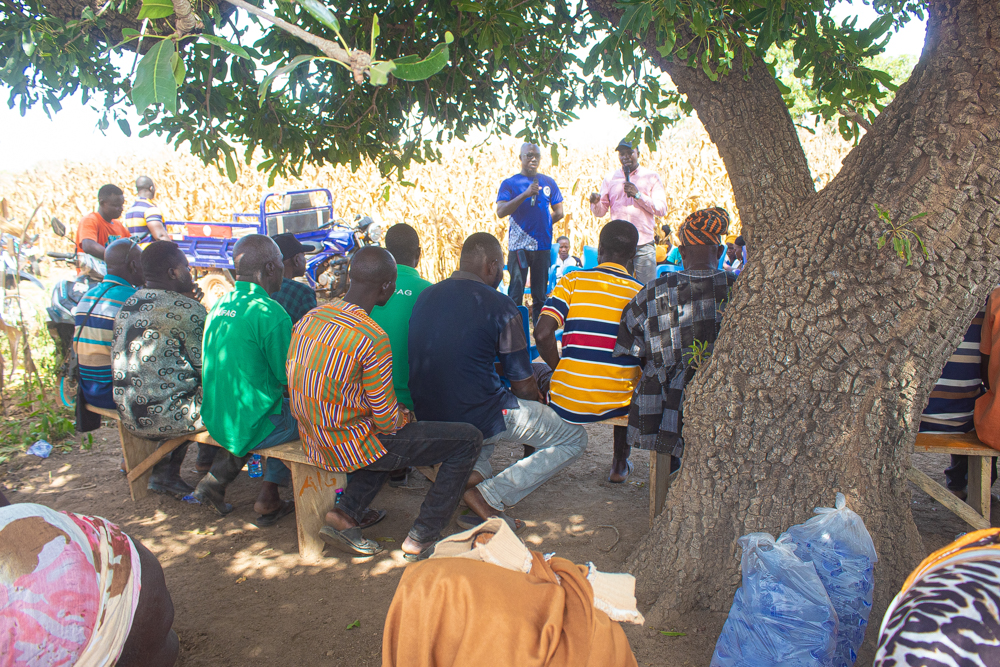
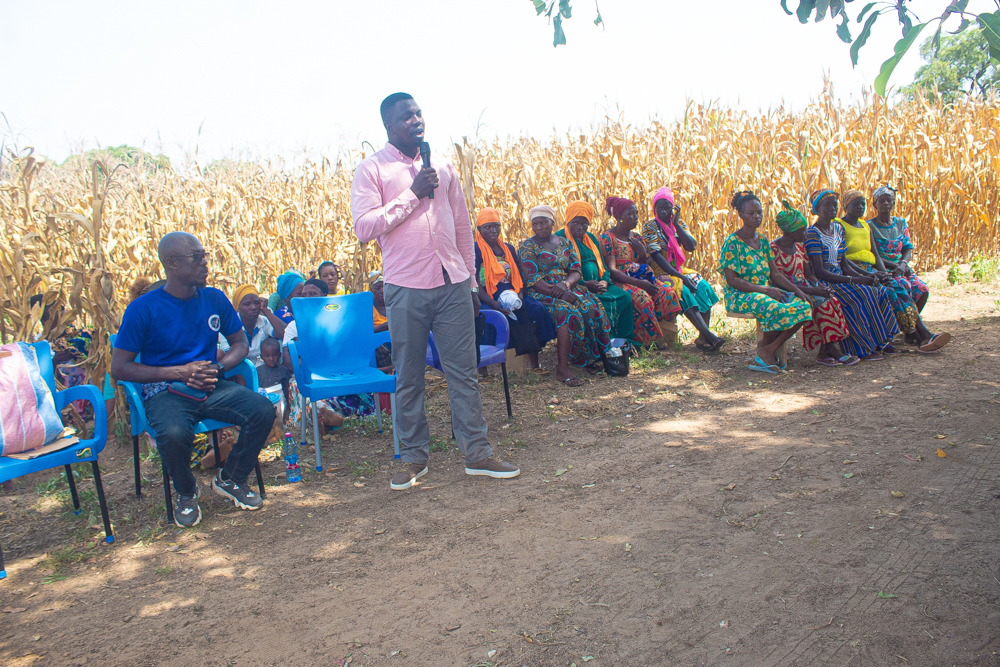
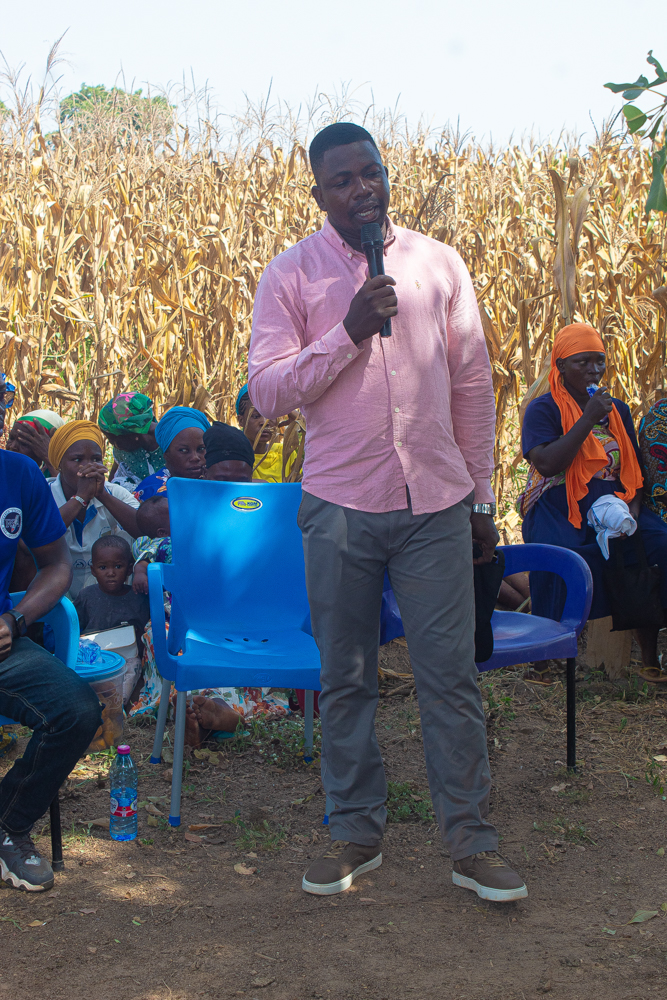
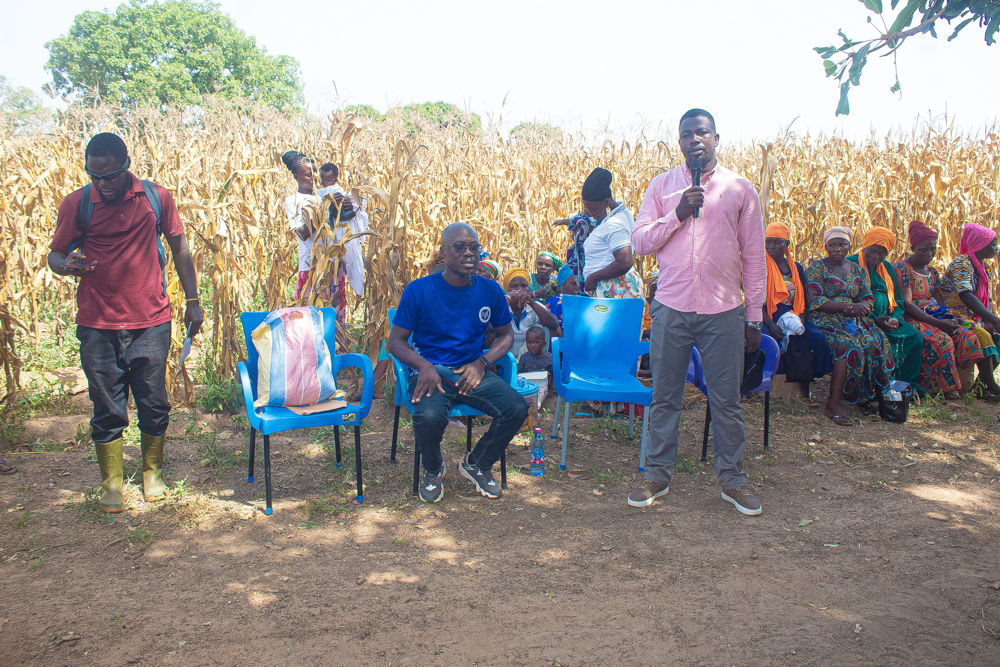
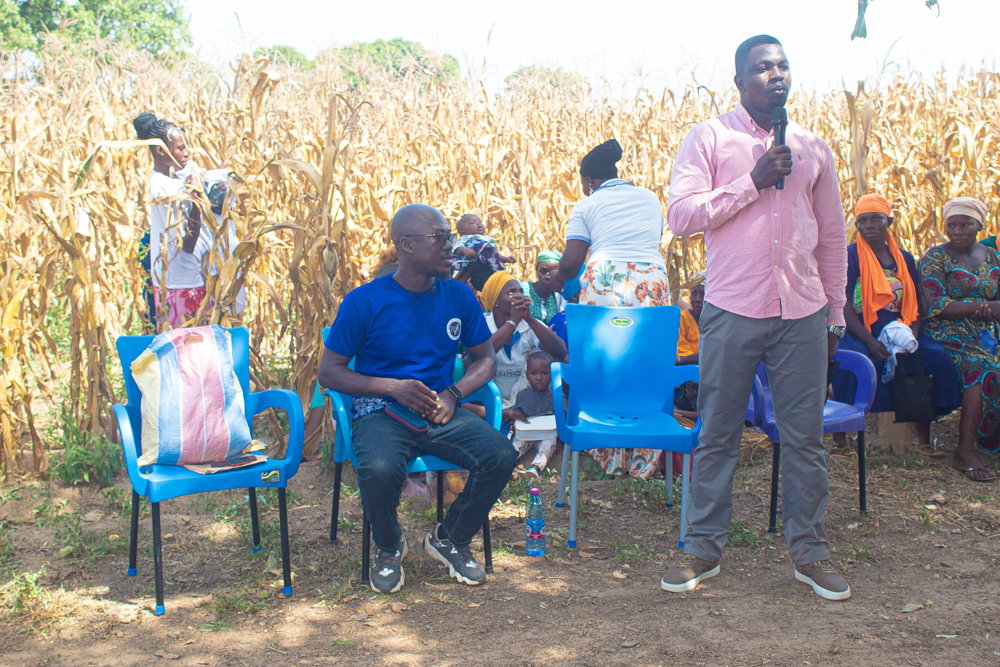
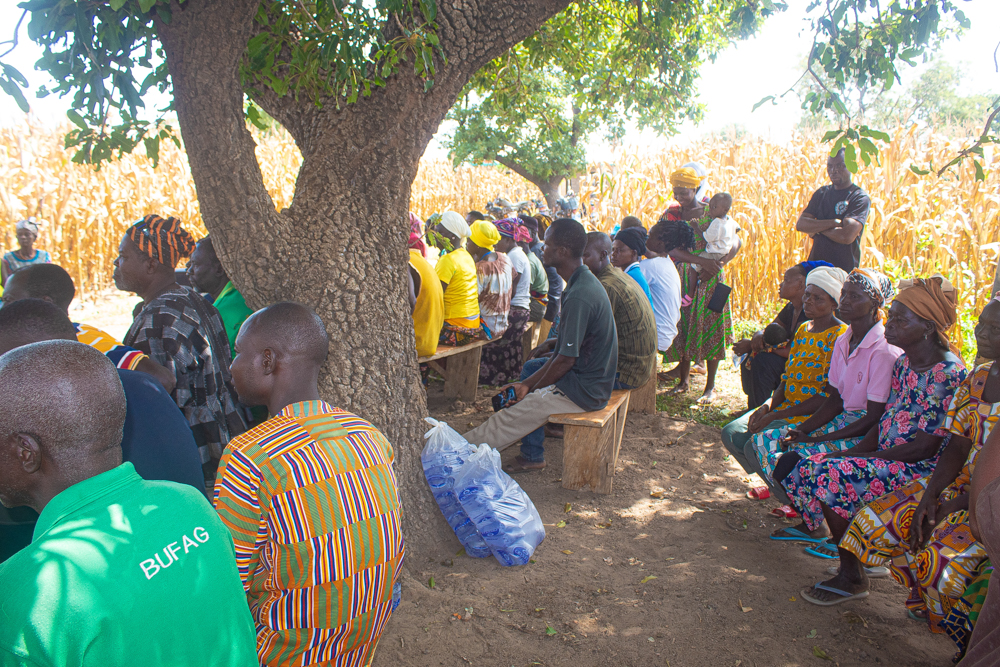
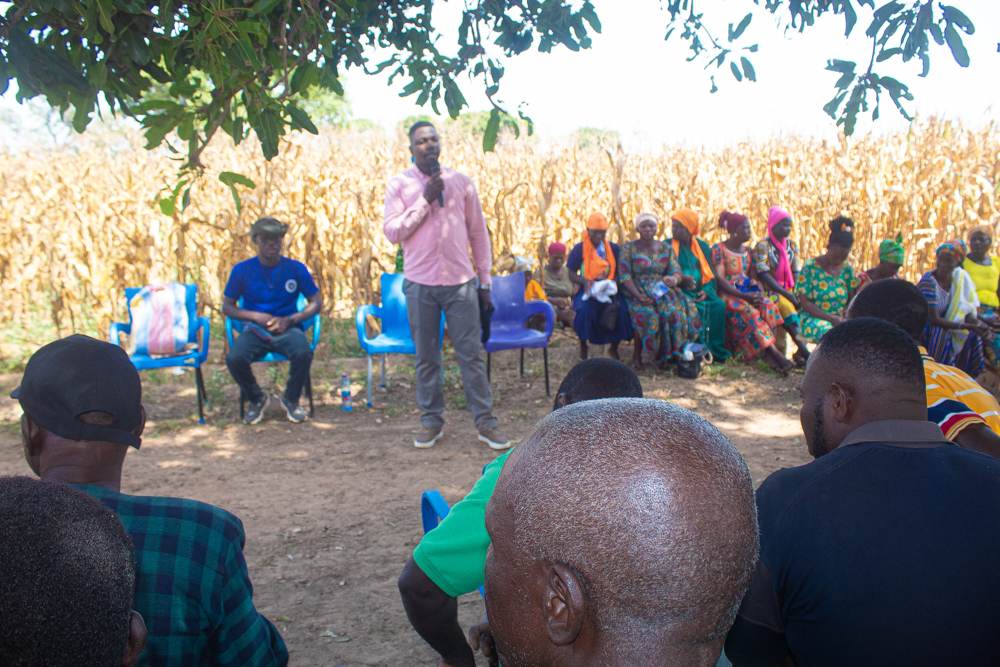
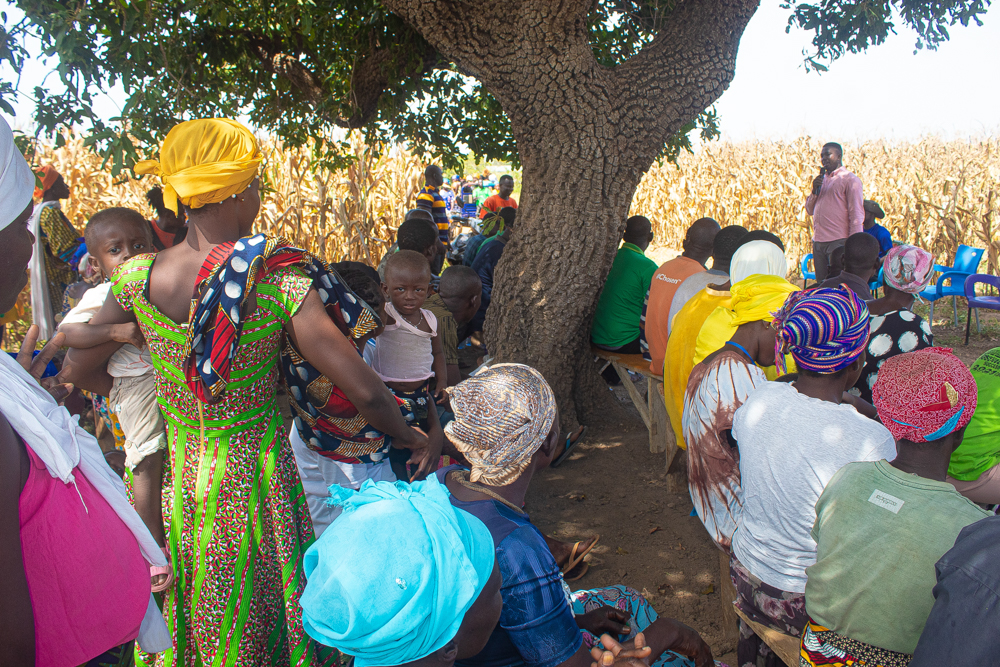
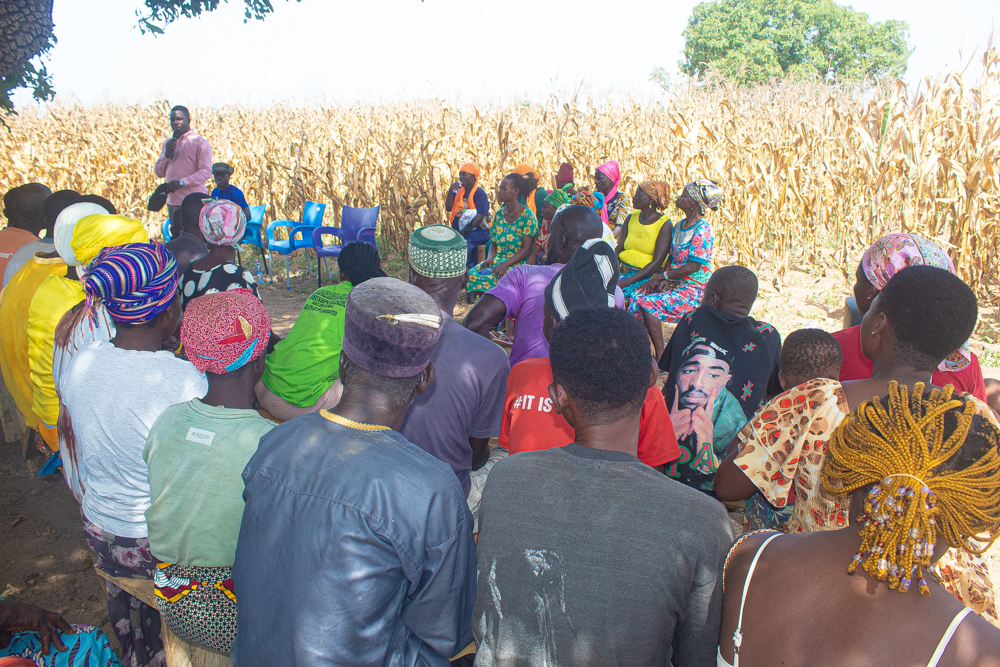
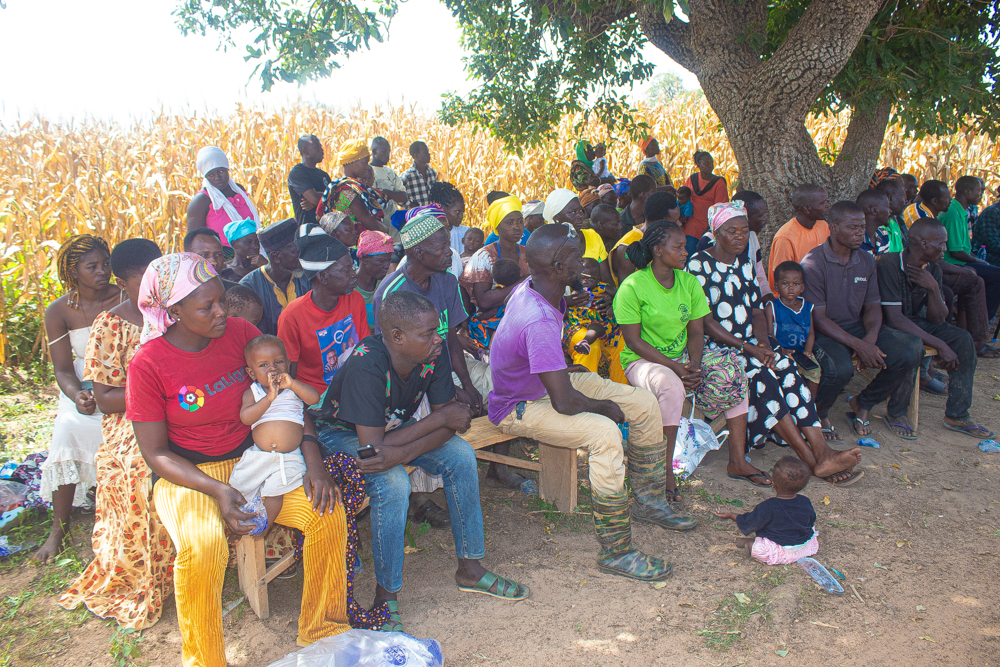
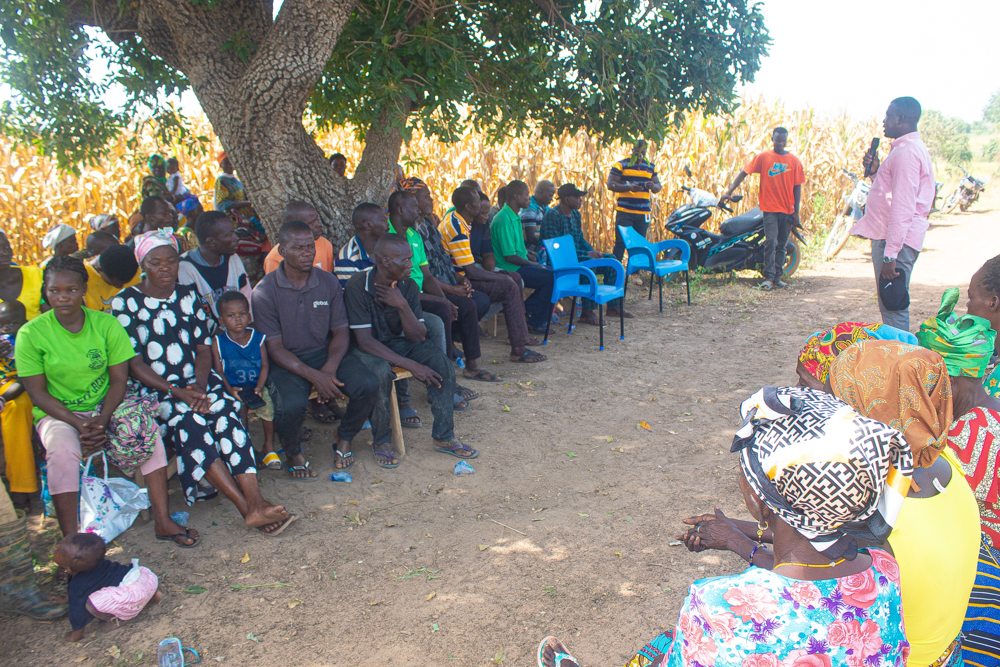
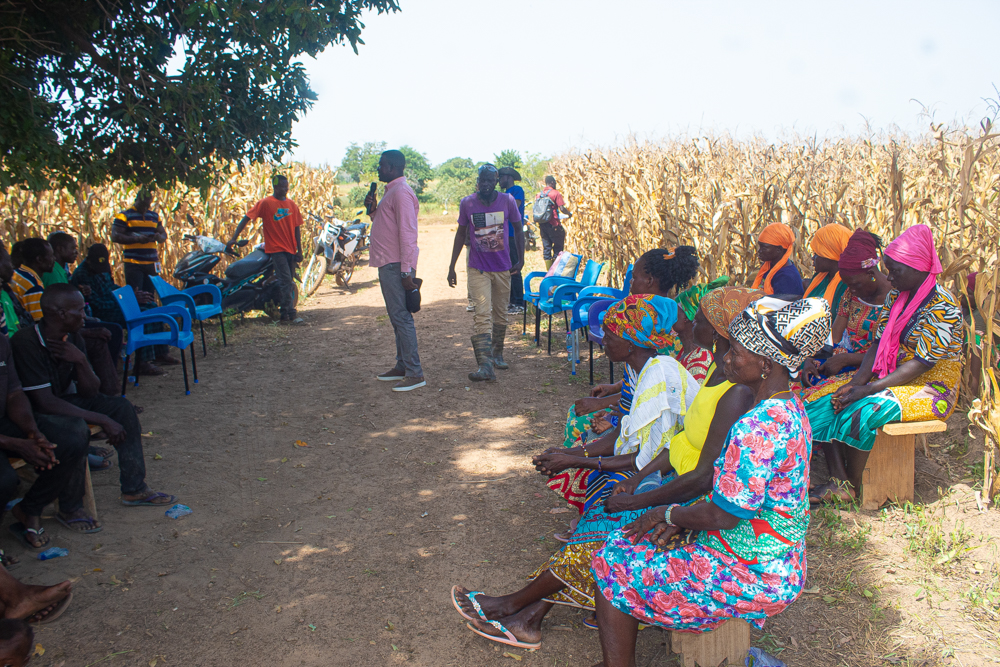
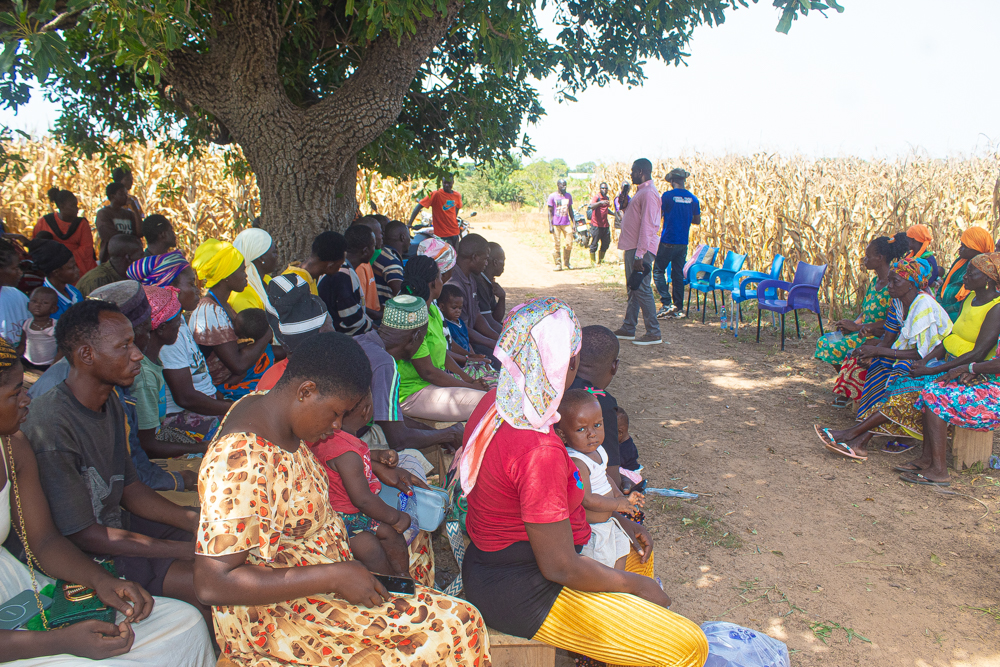
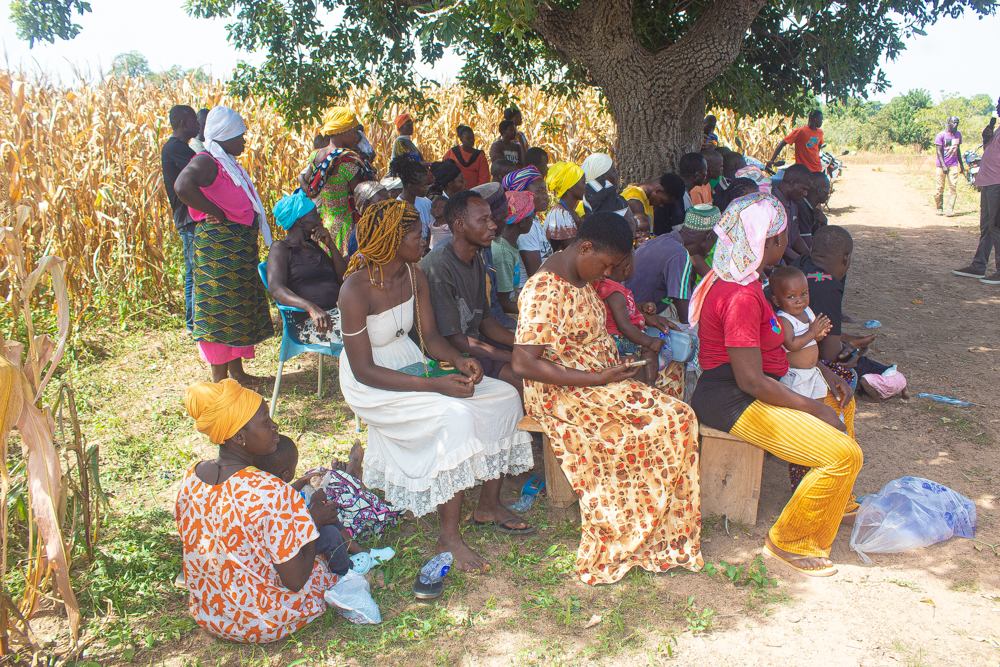
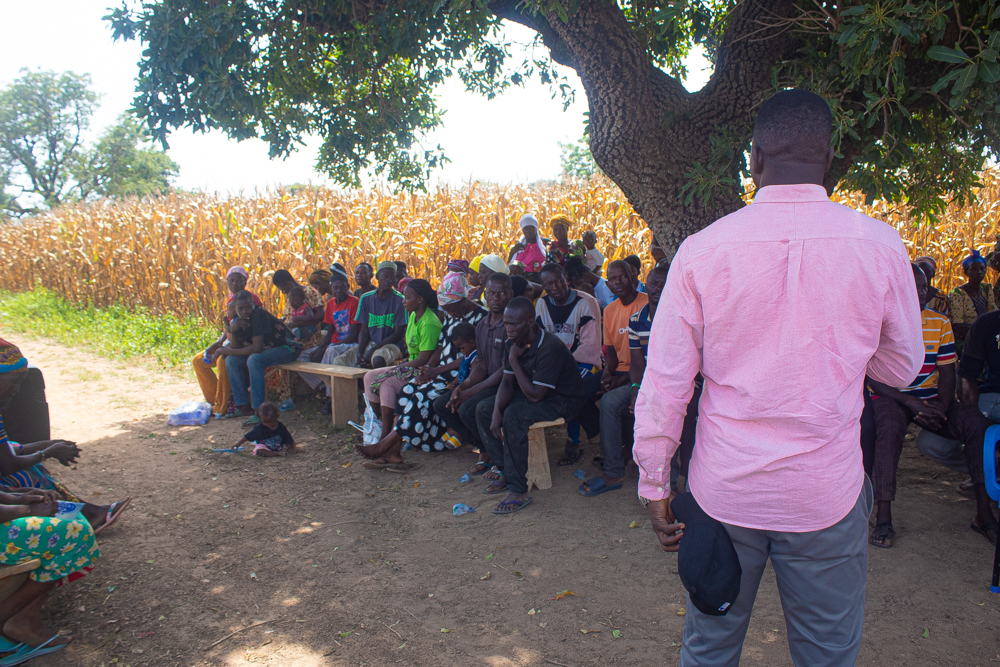
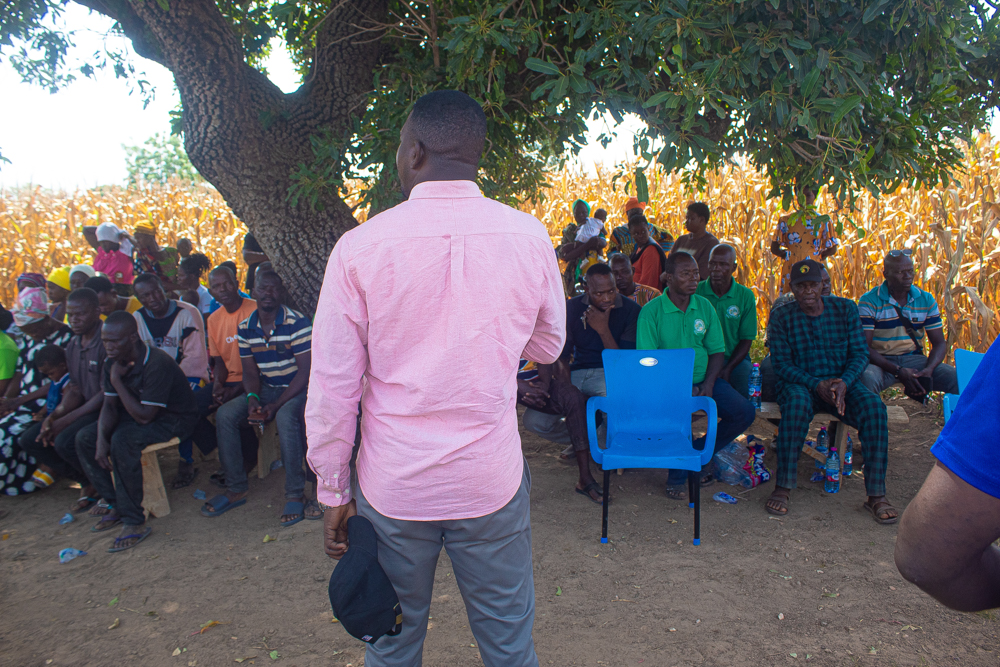
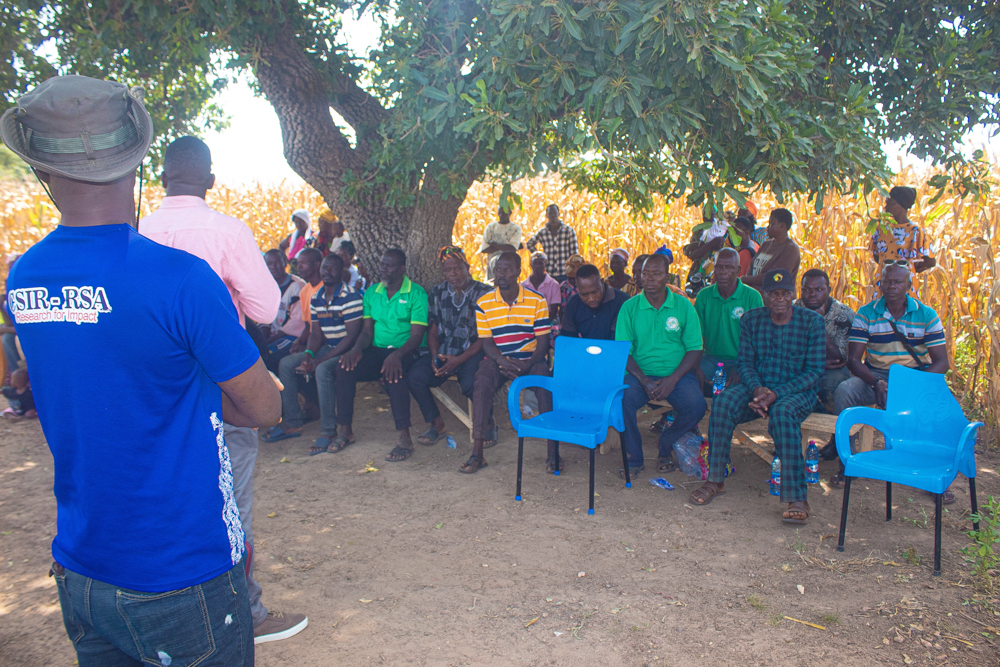
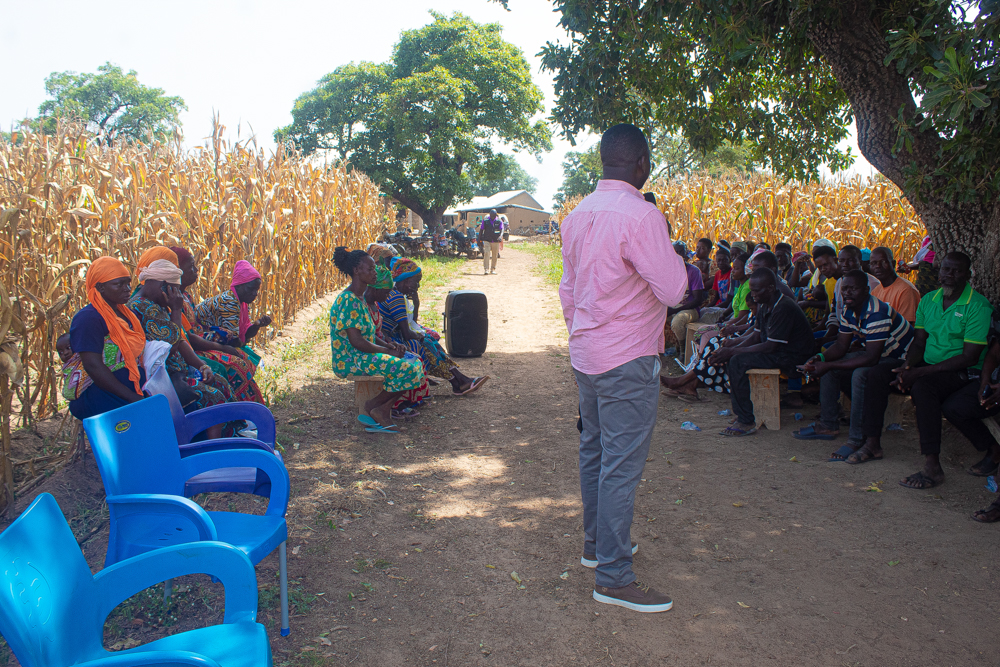
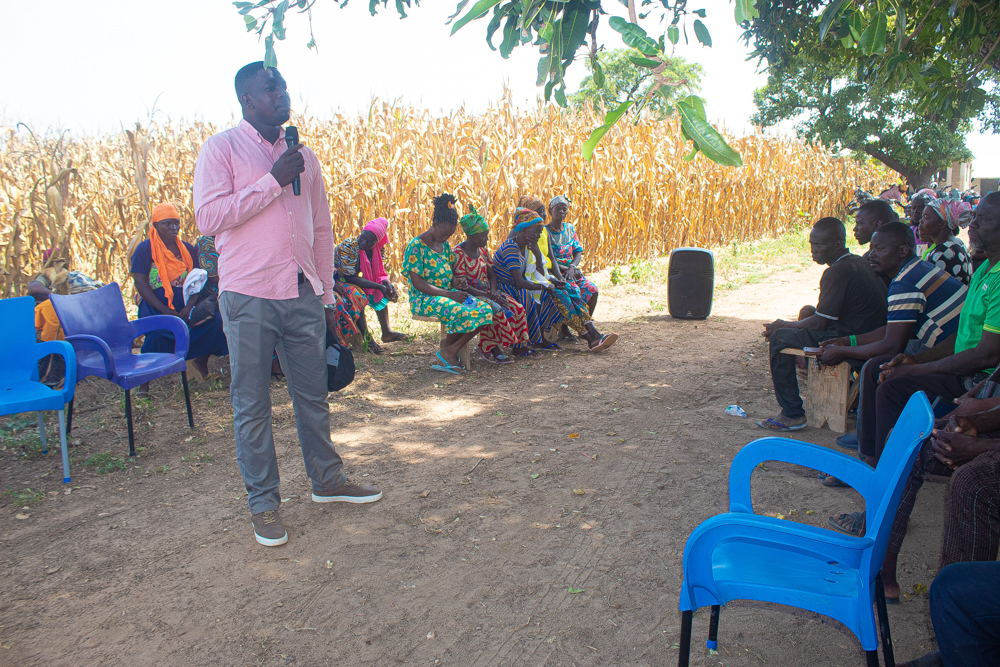
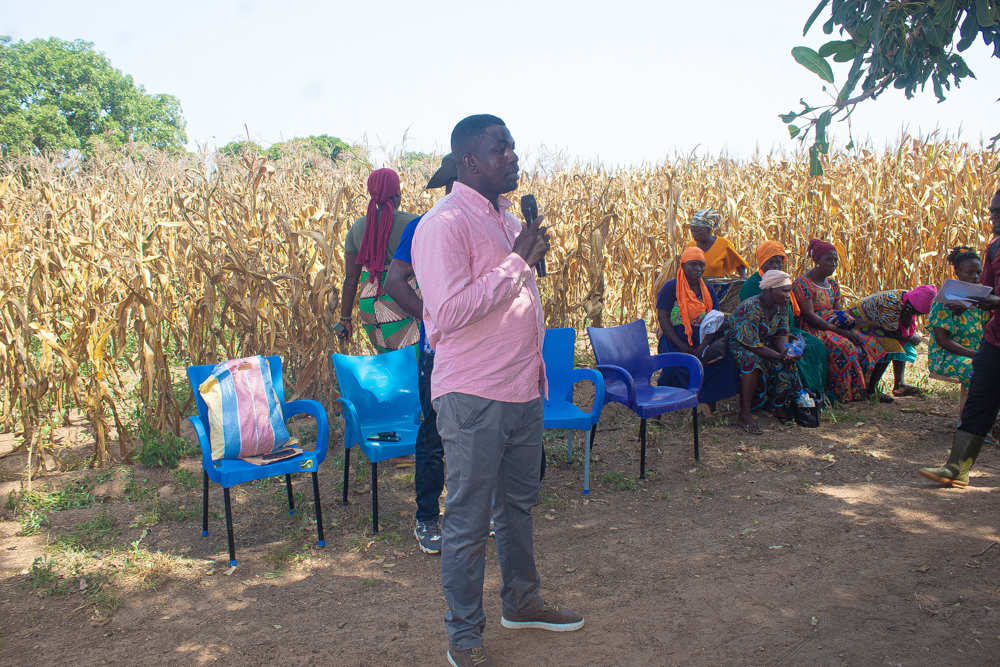
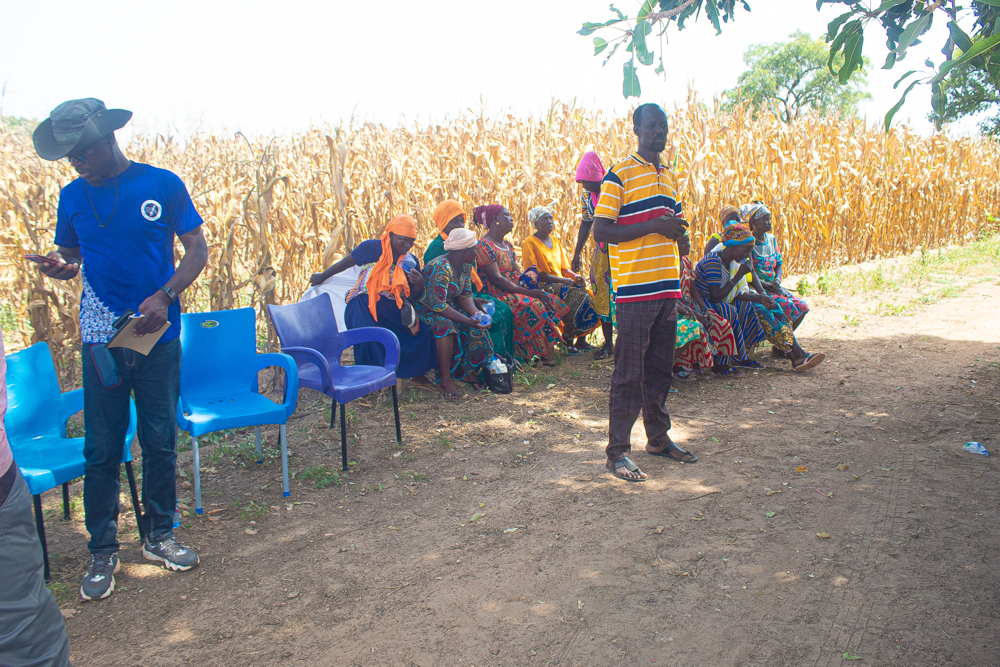
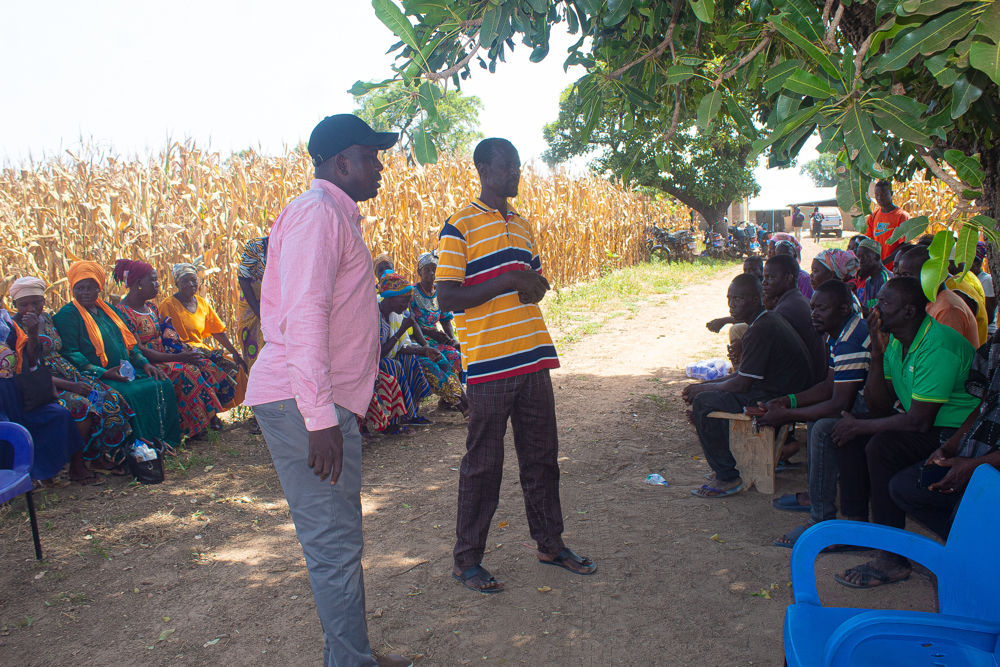
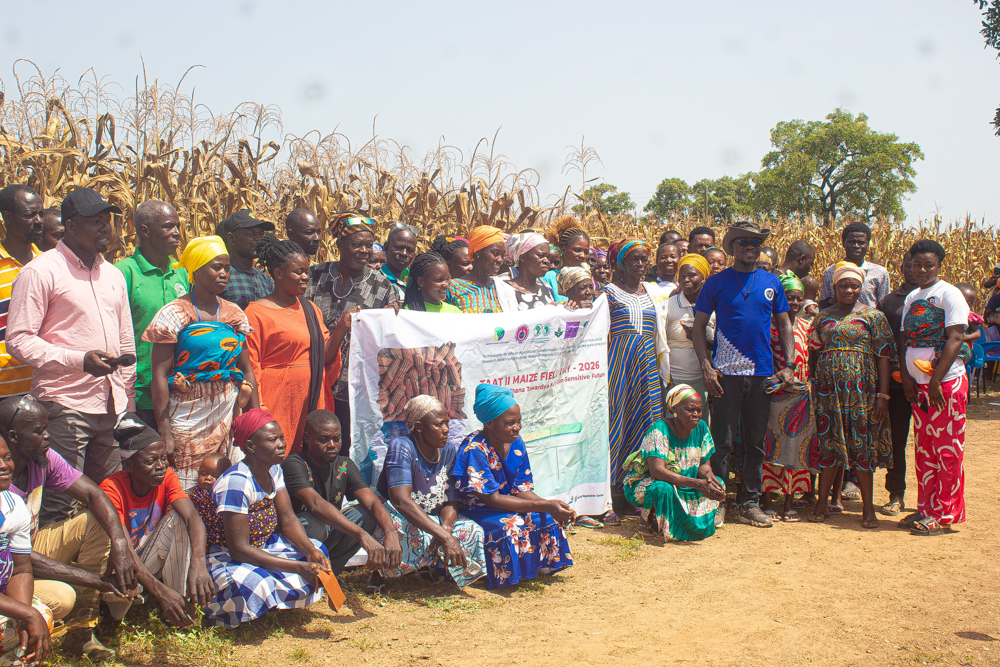
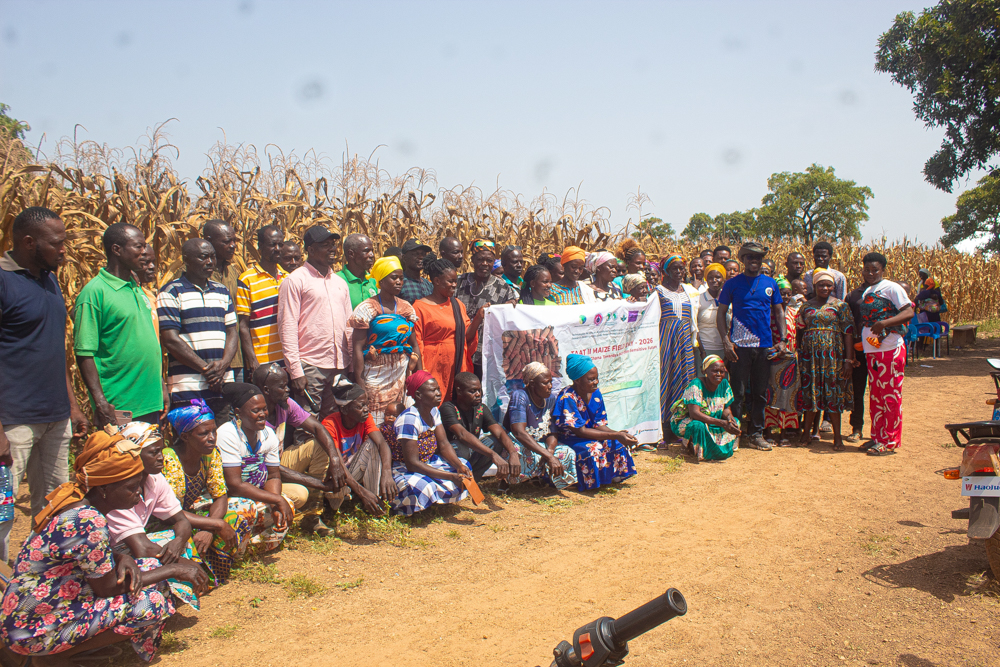
The Council for Scientific and Industrial Research–Savanna Agricultural Research Institute (CSIR-SARI), in collaboration with the African Agricultural Technology Foundation (AATF), through the Technologies for African Agricultural Transformation Phase II (TAAT II) Maize Compact, has organised a farmers’ field day at Sitande in the Bawku West District of the Upper East Region to promote climate-smart and nutrition-sensitive maize production.
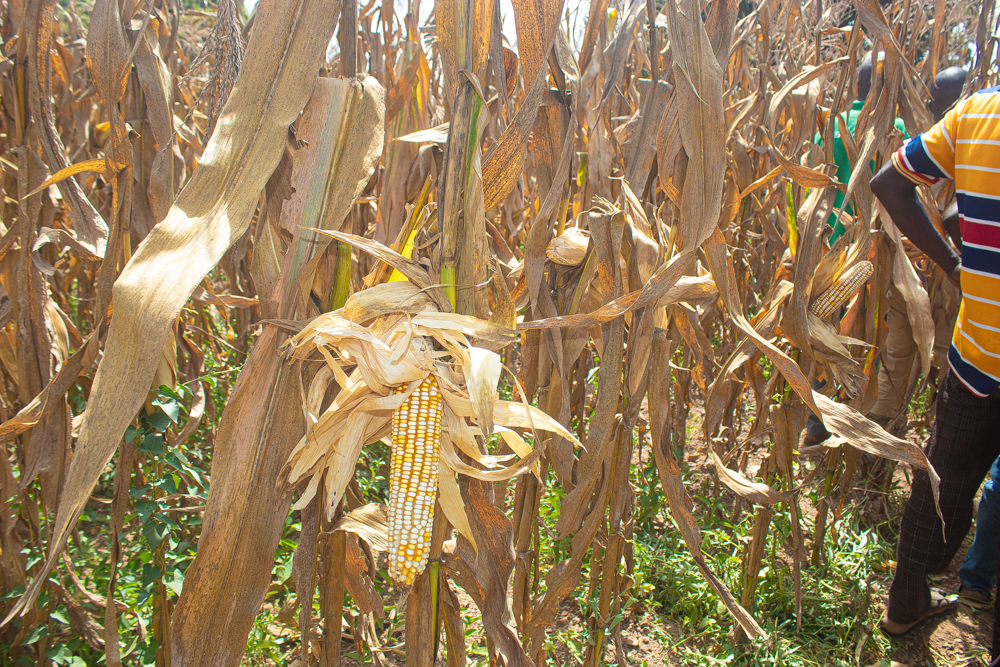
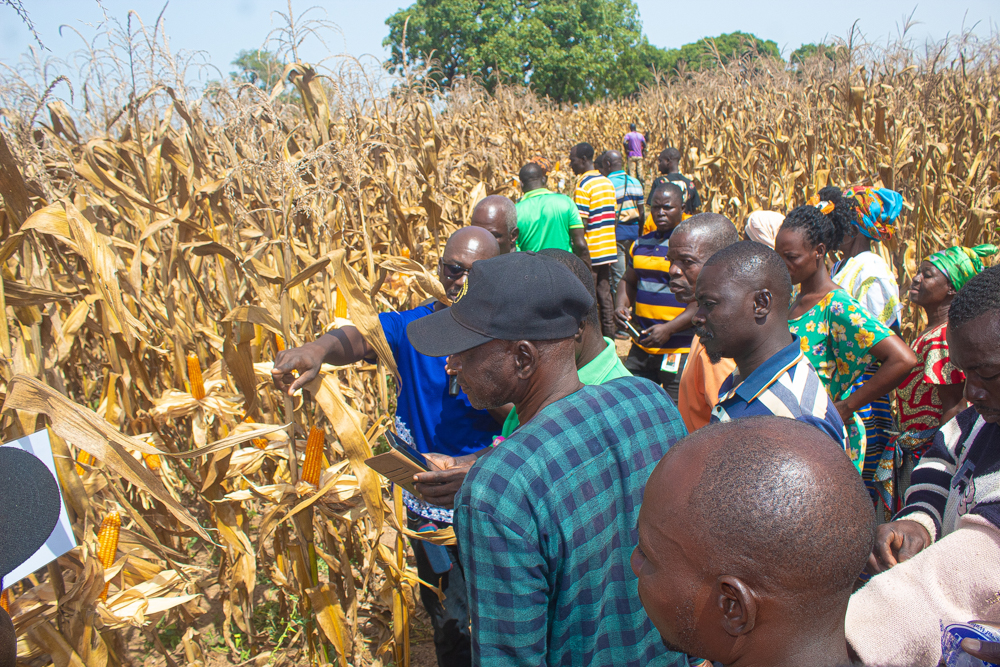
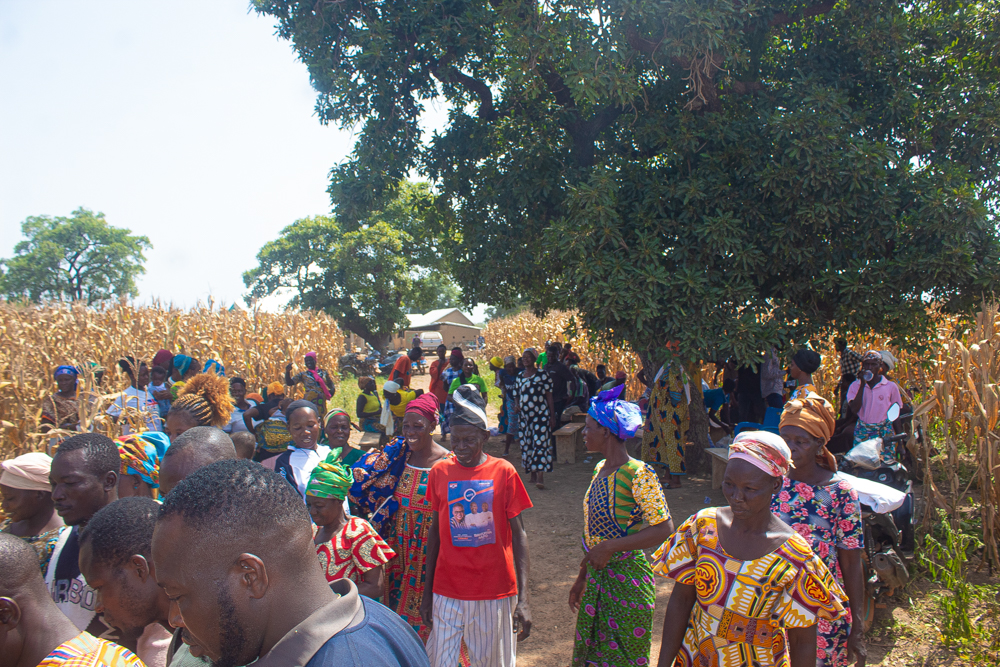
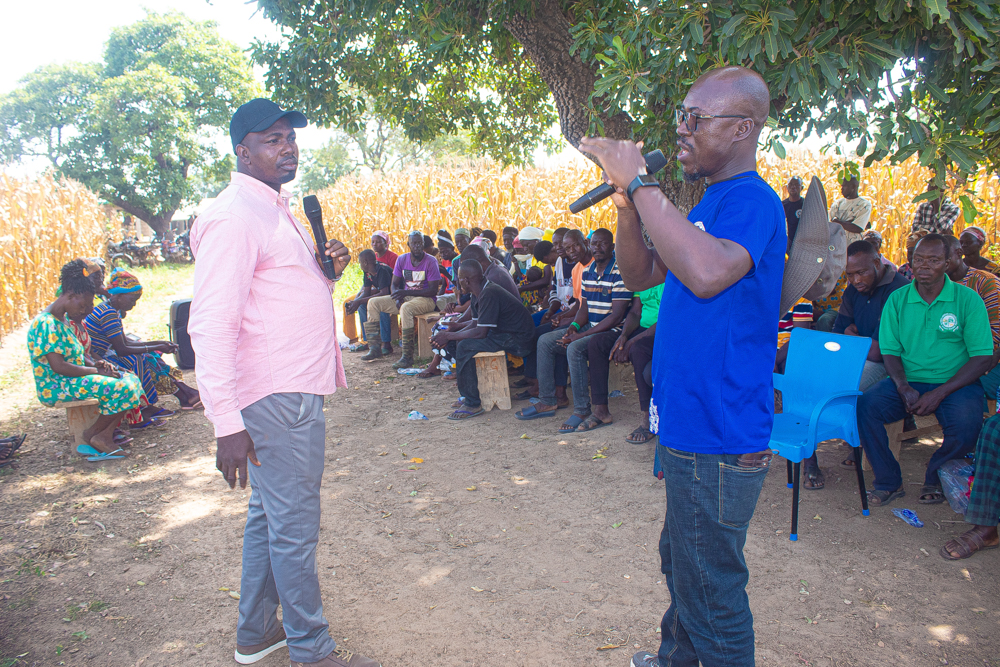
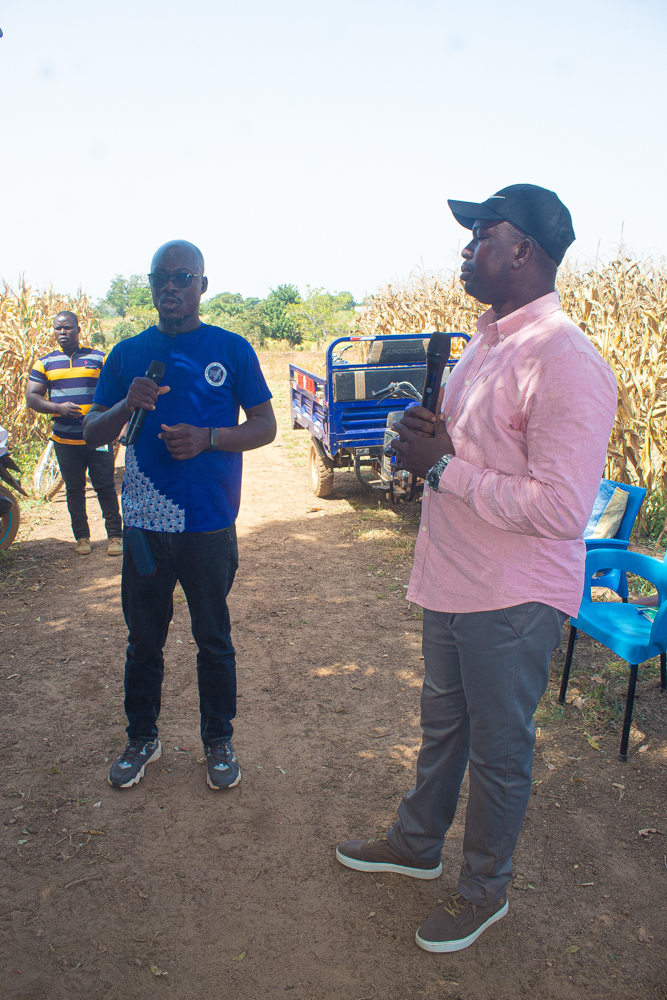
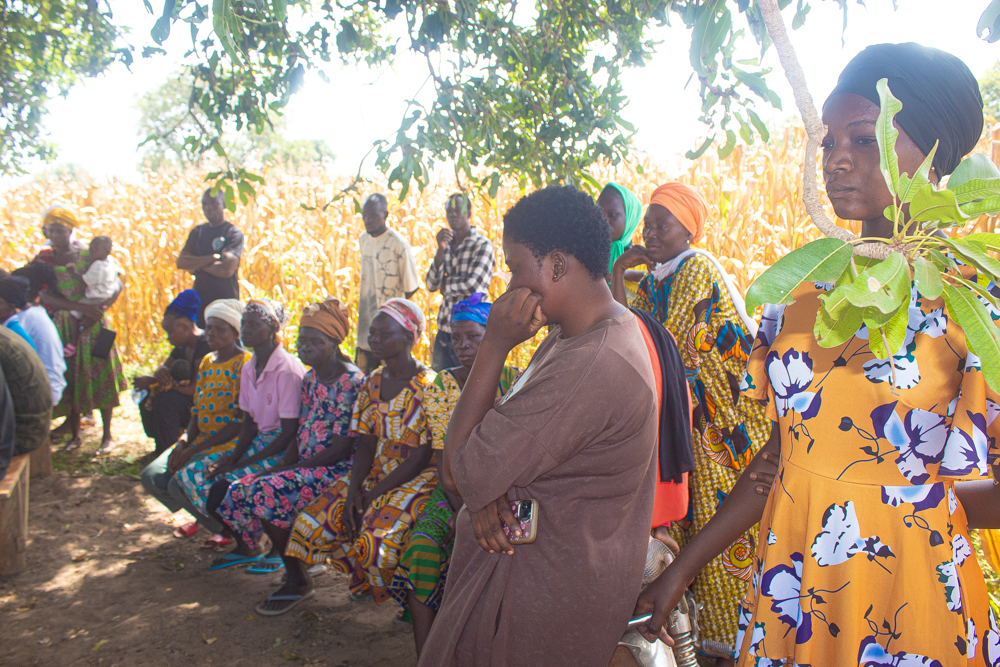
The event, held on Monday, October 26, 2026, brought together smallholder and commercial farmers, agricultural extension agents, SARI researchers, input dealers and members of the Kusaug OB Network to demonstrate improved maize technologies aimed at increasing productivity, strengthening climate resilience and improving household food and nutrition security.
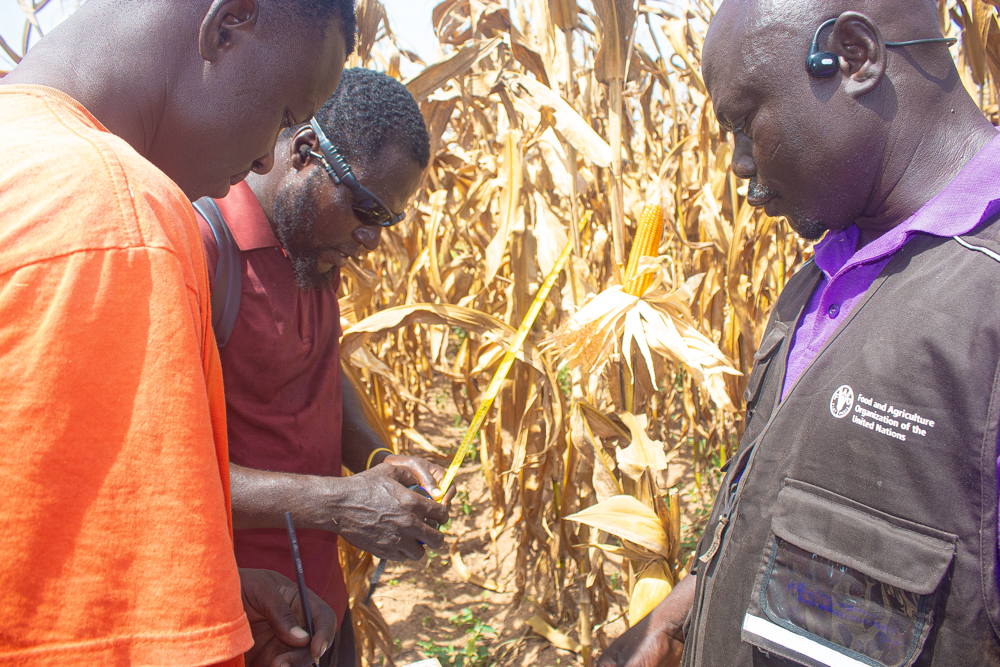
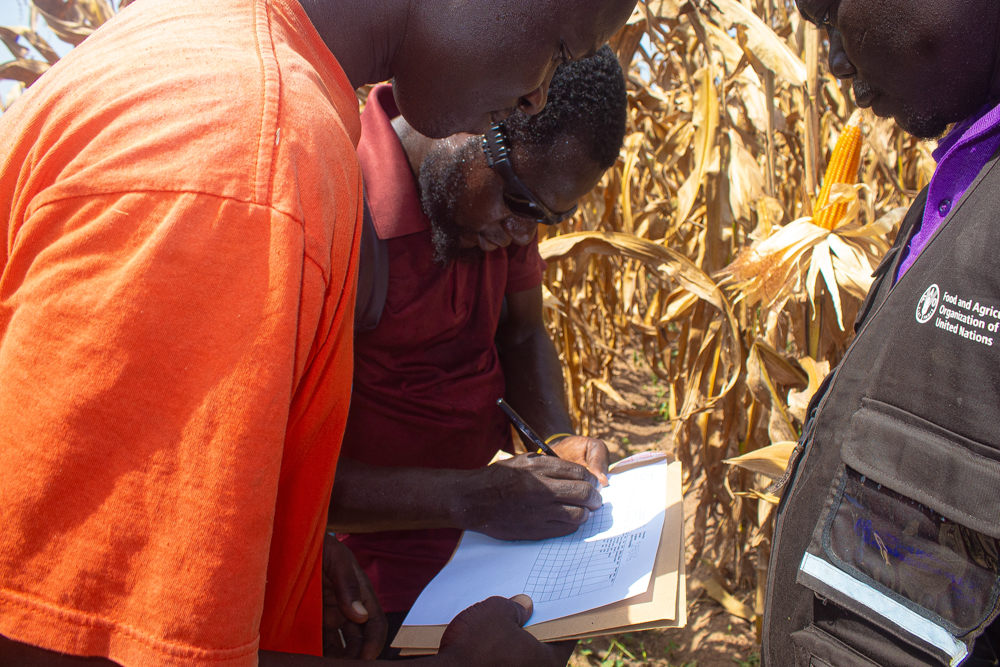
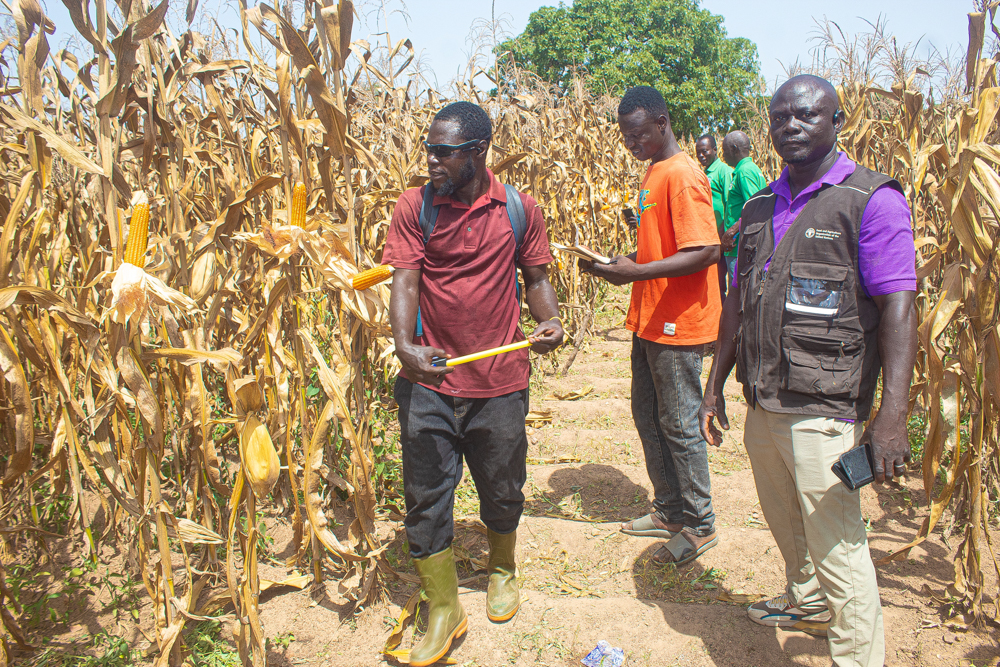
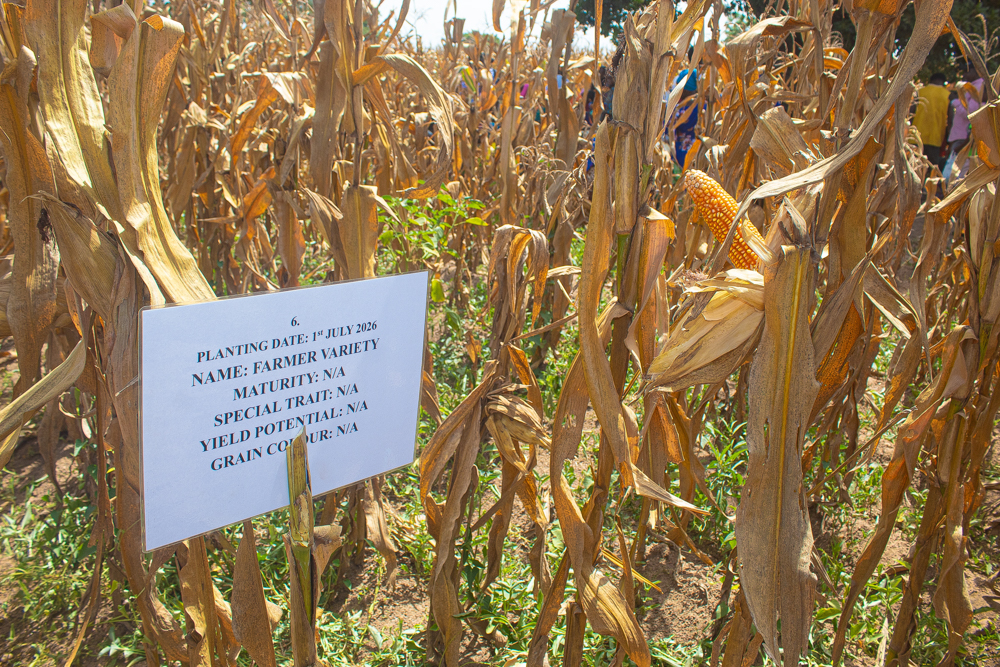
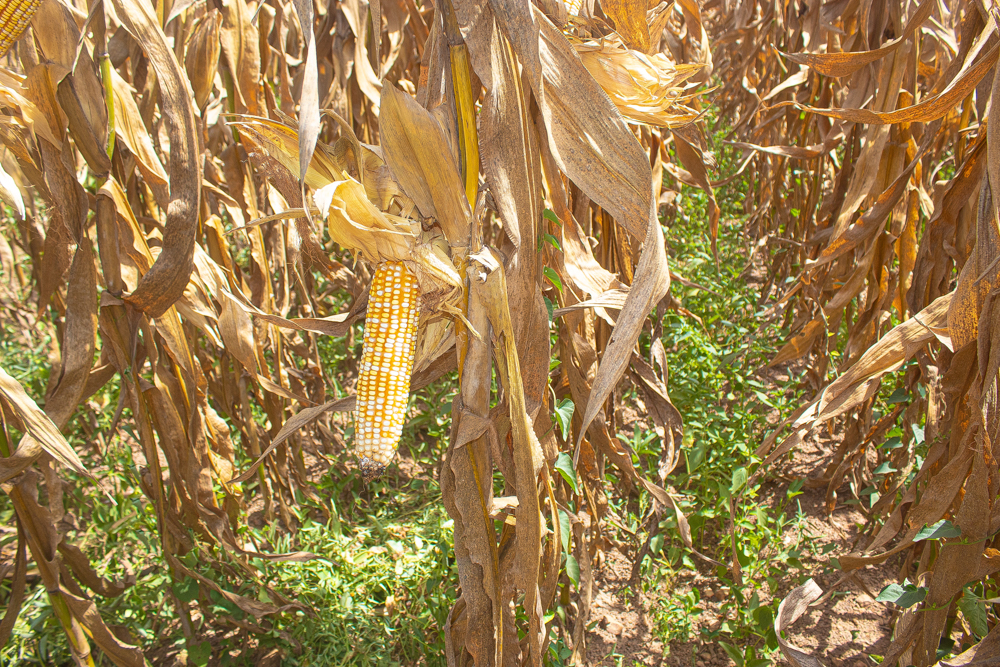
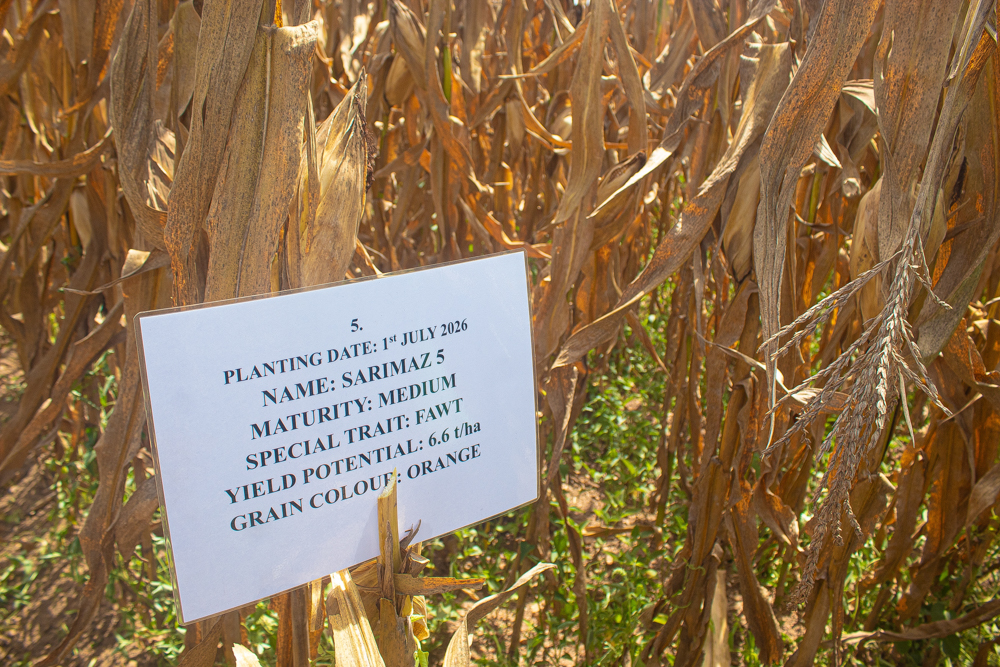
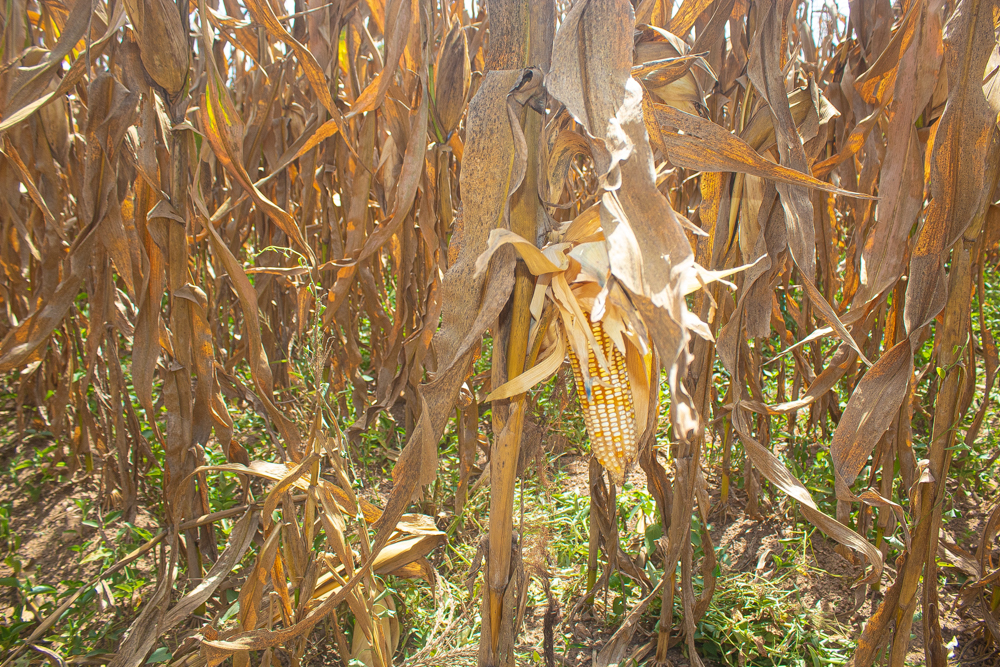
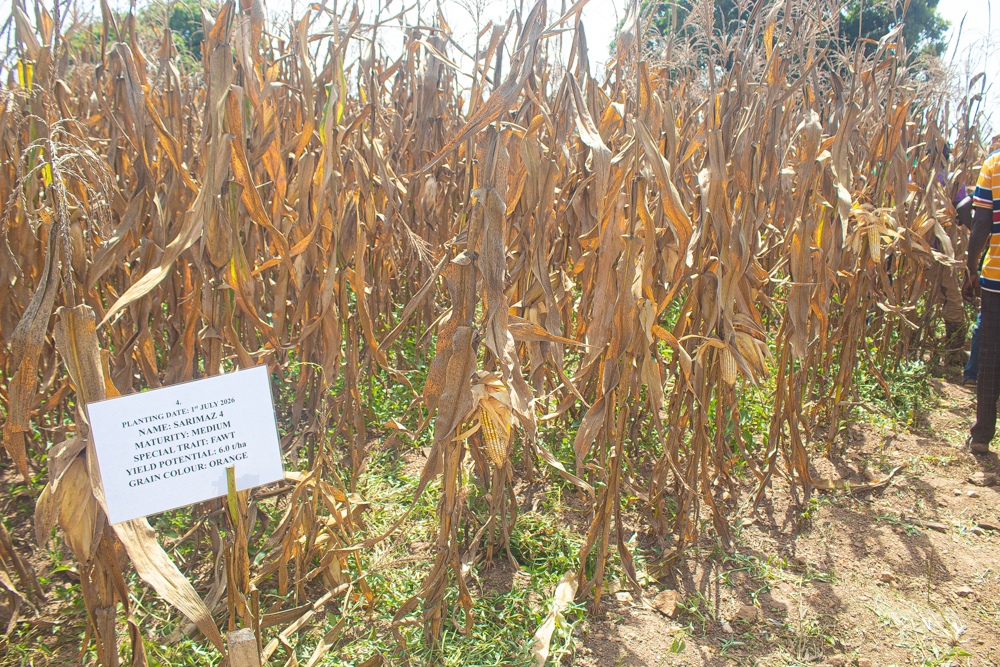
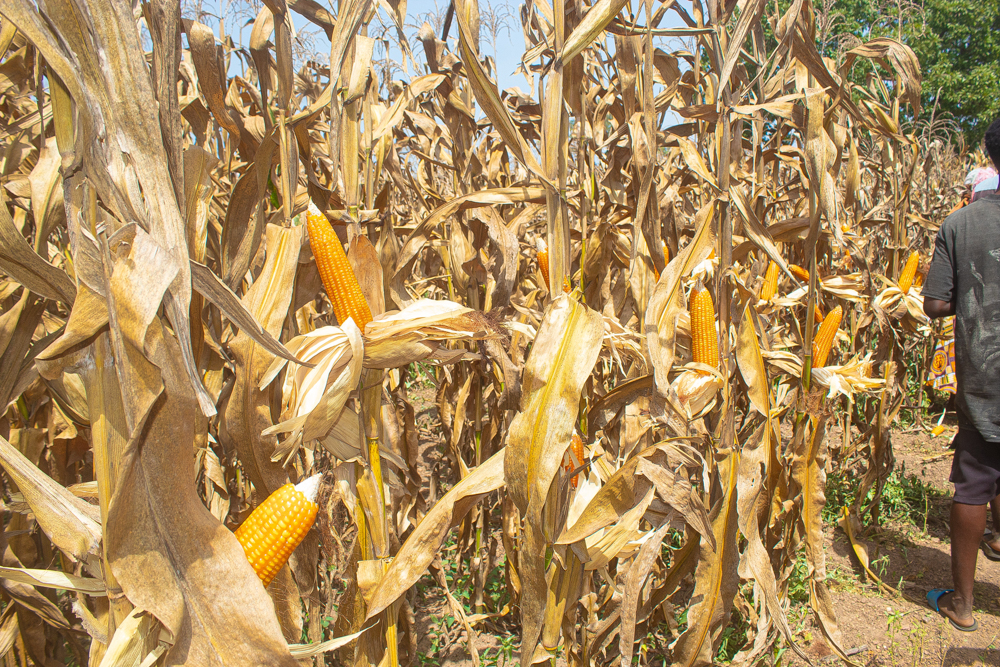
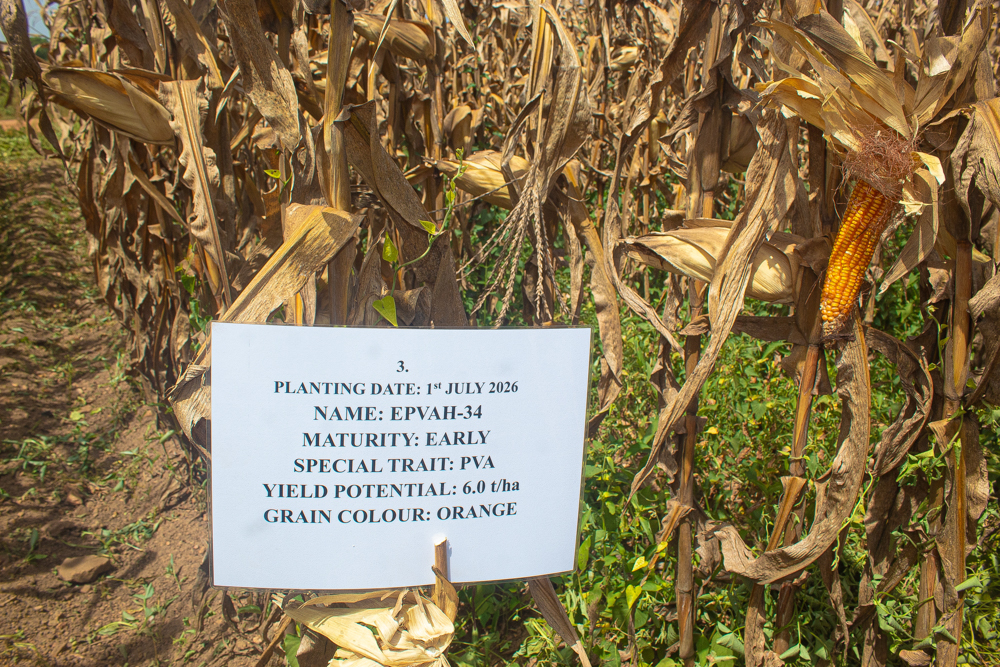
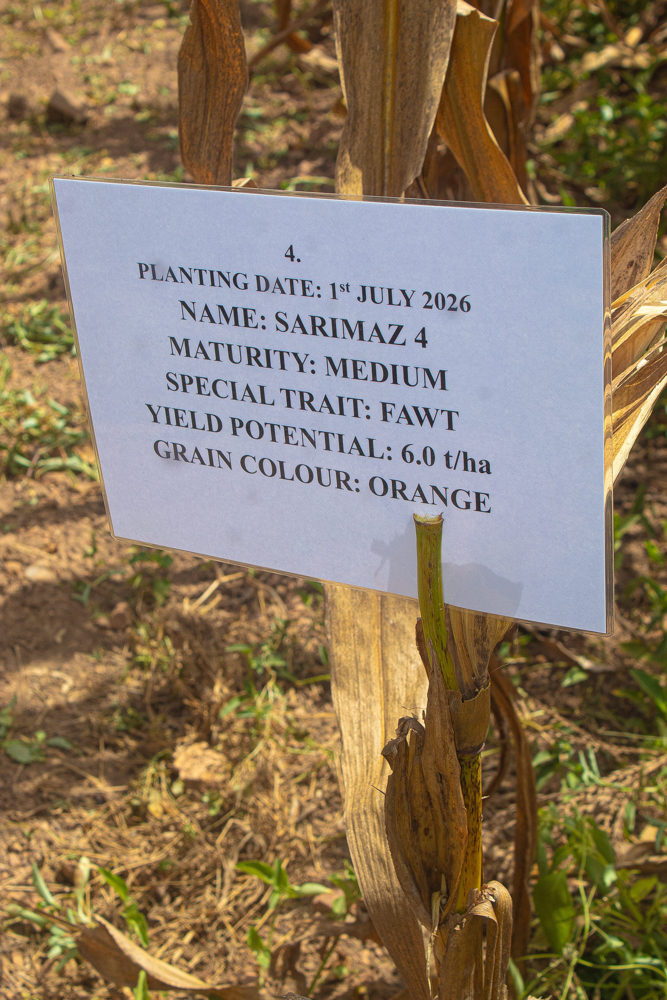
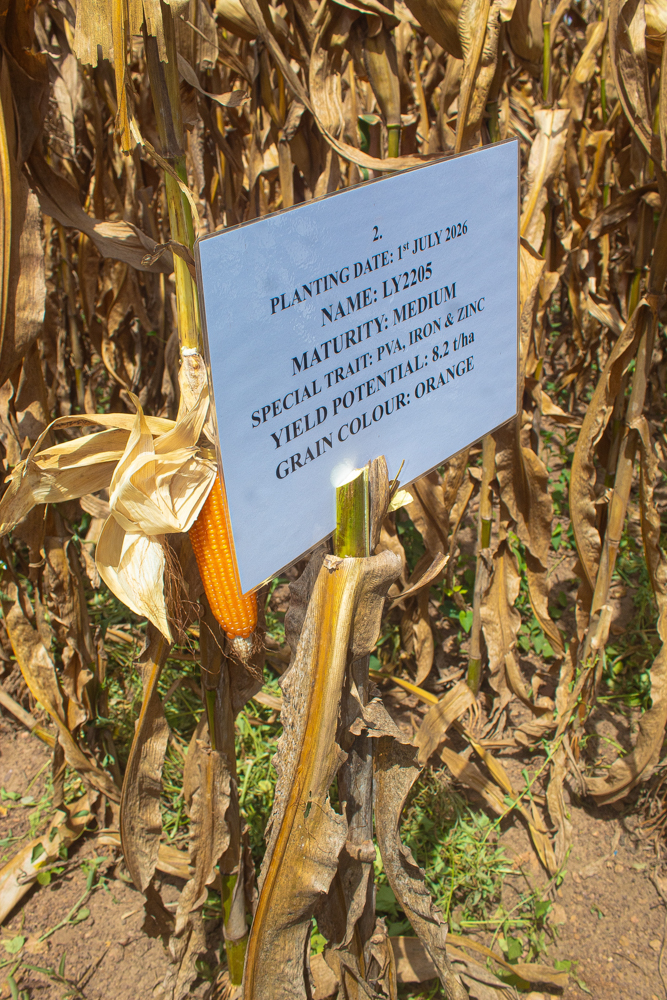
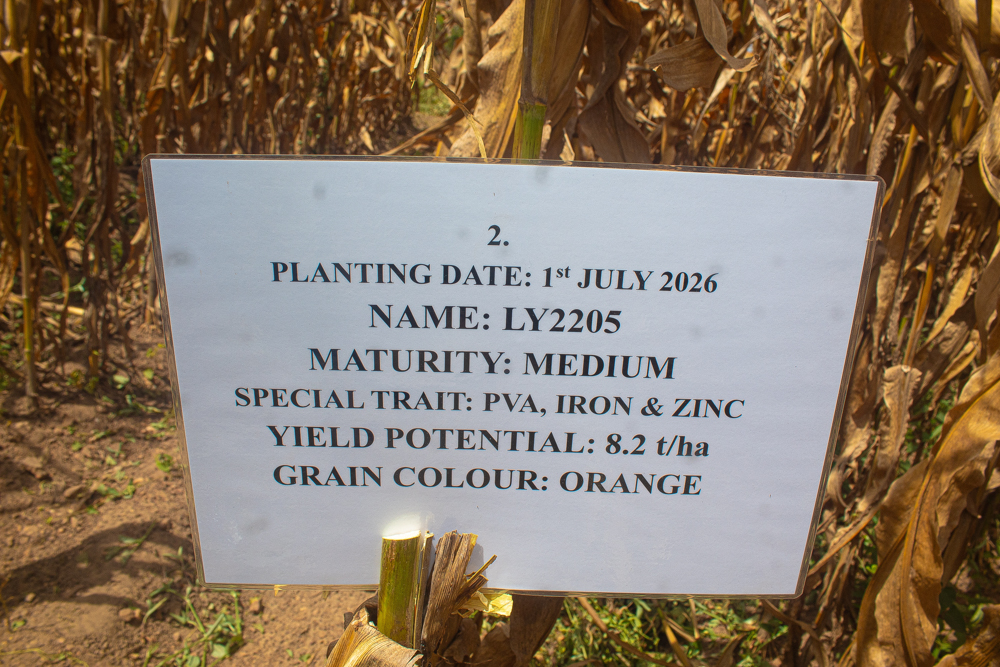
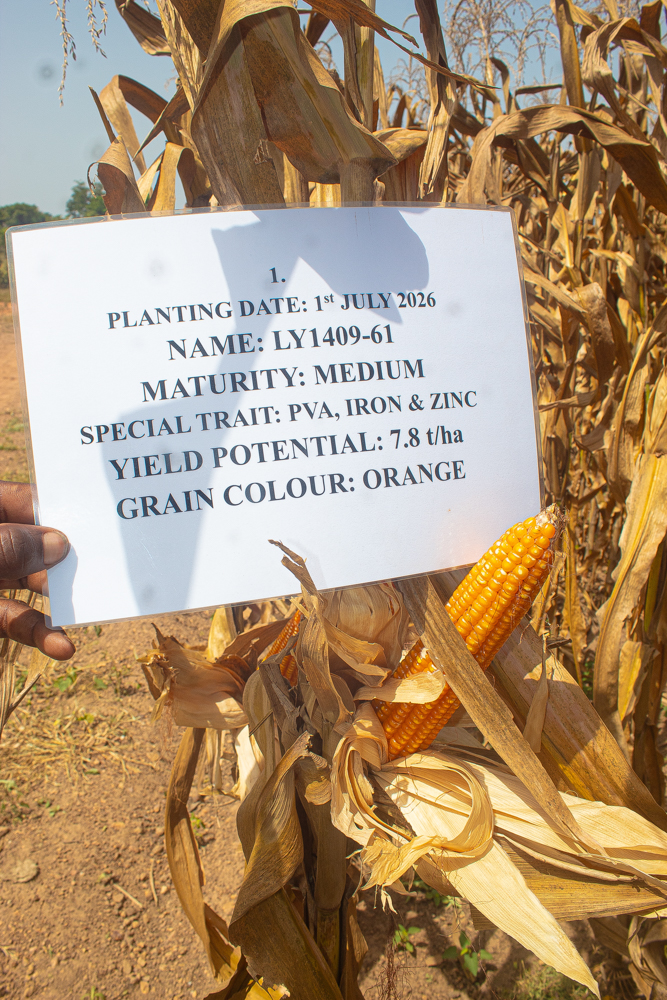
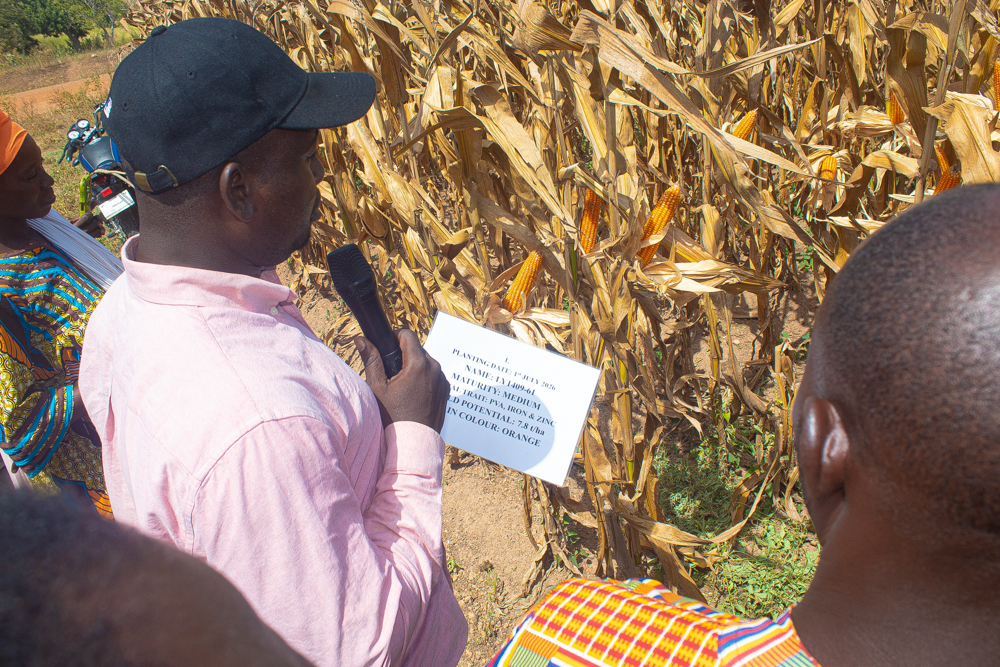
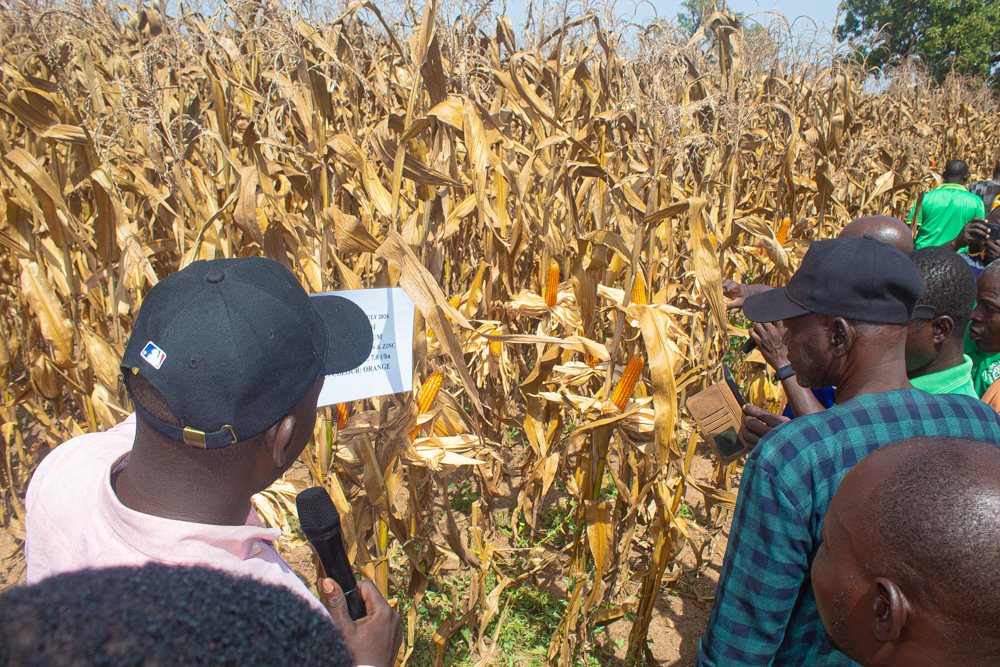
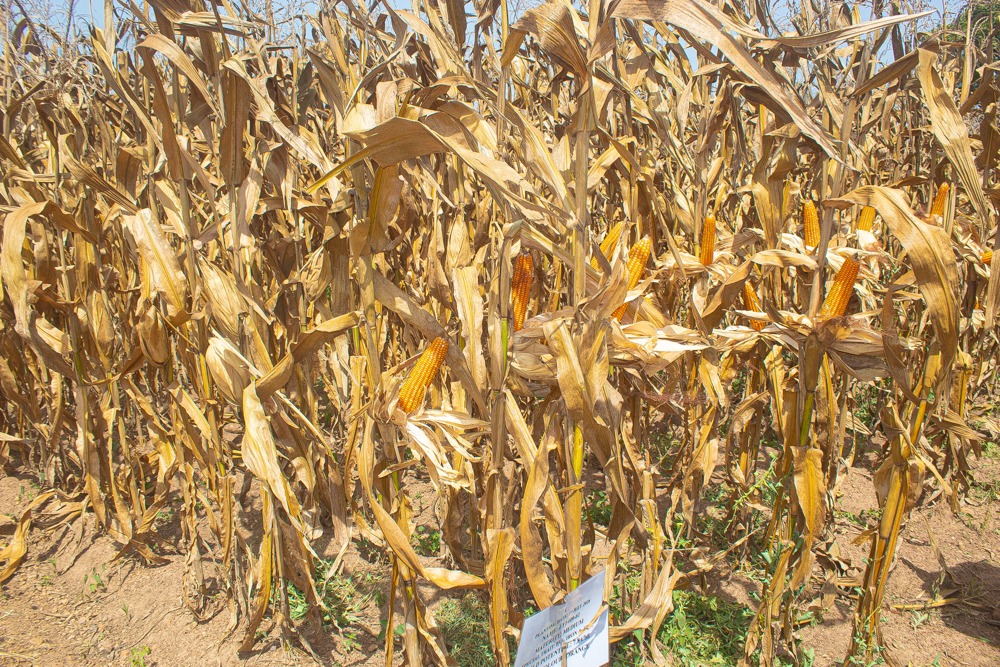
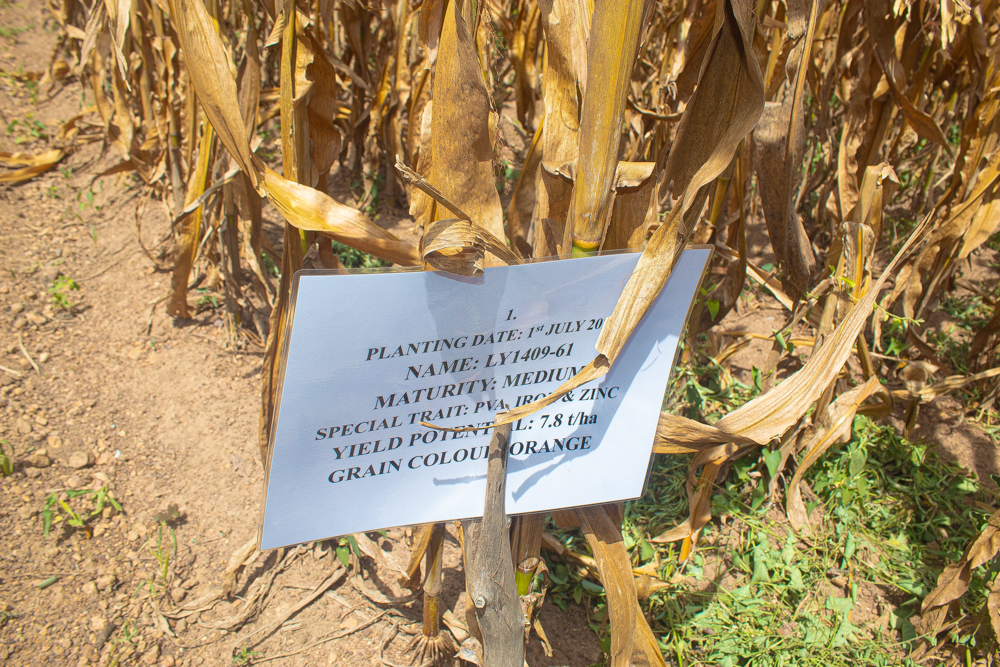
Five improved maize hybrids were showcased, comprising three yellow maize hybrids currently undergoing evaluation for national release and two white maize (CSIR-SARIMAZ 4 and CSIR-SARIMAZ 5) previously released varieties that are tolerant to fall armyworm. The hybrids are being promoted for their adaptability to local agroecological conditions, early maturity, tolerance to major production constraints, including drought, Striga infestation and fall armyworm, and their potential nutritional benefits.
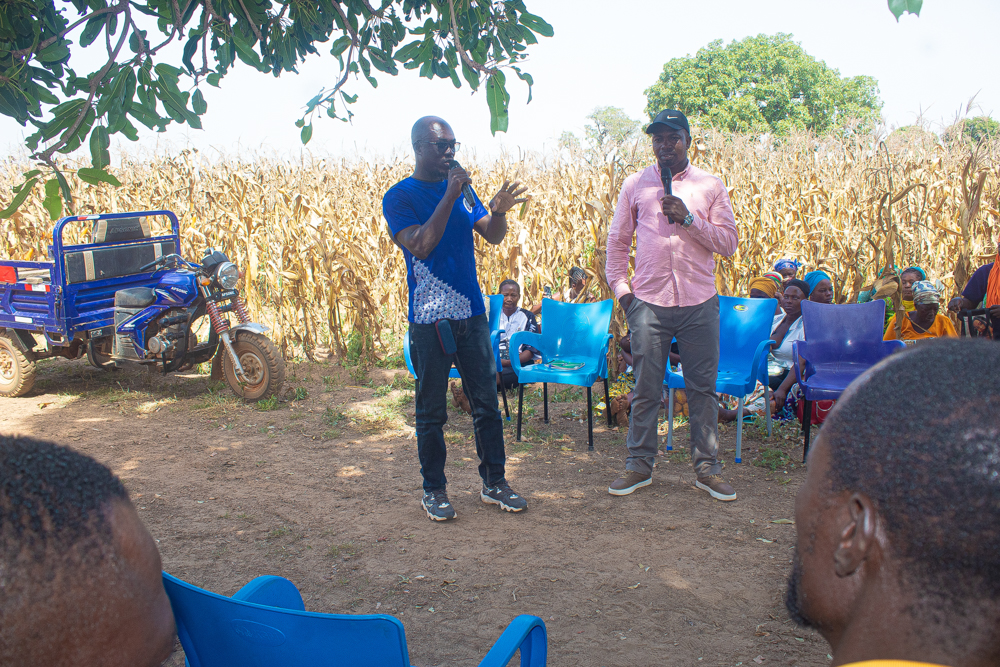
Representing Dr. Isaac Kodzo Amegbor, Maize Breeder at CSIR-SARI and TAAT II Maize Compact Lead for Ghana, Dr. Desmond explained that the development and promotion of improved maize hybrids form part of efforts to address the challenges of climate change, low agricultural productivity and micronutrient deficiencies among farming households.
He highlighted the importance of nutrition-sensitive agriculture, particularly the development and promotion of iron- and zinc-dense and provitamin A-enriched maize hybrids. Iron supports healthy blood formation, zinc contributes to growth and immune function, while provitamin A plays an important role in maintaining healthy vision and immunity. The adoption and consumption of these biofortified varieties can contribute to addressing micronutrient deficiencies, commonly referred to as hidden hunger, particularly among women and children.
A key focus of the field day was the promotion of good agronomic practices (GAPs) to maximise the yield potential of improved maize varieties. Farmers were sensitised to proper land preparation, timely planting, recommended plant spacing and population density, effective weed and pest management, and appropriate fertiliser application. These practices are essential for improving crop productivity and strengthening resilience to variable climatic conditions.
The programme also emphasised effective post-harvest management, including timely harvesting, proper drying, shelling, sorting and safe grain storage. Farmers were encouraged to adopt appropriate grain handling and storage practices to minimise post-harvest losses, prevent aflatoxin contamination, maintain grain quality and preserve the nutritional benefits of improved maize varieties.
Dr. Desmond further indicated that the three promising hybrids are being evaluated for national release, with the expectation that quality seeds could become available to farmers in subsequent cropping seasons, subject to the necessary approval and seed multiplication processes.
Speaking to Dastech FM 90.1 News, the Chairman of the Kusaug OB Network, Mr. Musah Adams, commended CSIR-SARI for its efforts to address farmers’ limited access to affordable, high-yielding and climate-resilient maize seeds. He expressed the network’s readiness to collaborate with SARI in seed multiplication and distribution to improve farmers’ access to quality planting materials.
Participating farmers also welcomed the initiative, noting that the high cost of improved seeds often forces them to rely on recycled seeds, resulting in low yields and increased vulnerability to pests, diseases and Striga infestation. They appealed for the timely availability and affordability of the improved varieties ahead of the next farming season.
The field day forms part of the broader objectives of the TAAT II Maize Compact, coordinated by AATF and implemented in Ghana in collaboration with CSIR-SARI and other partners, to accelerate the adoption of climate-resilient and nutrient-dense maize varieties alongside good agronomic practices and improved post-harvest management technologies.
Through these integrated interventions, the programme seeks to increase maize productivity, reduce post-harvest losses, improve household nutrition, enhance farmers’ incomes and strengthen climate resilience and food security in Ghana, particularly among smallholder farming communities in the northern savanna zones.