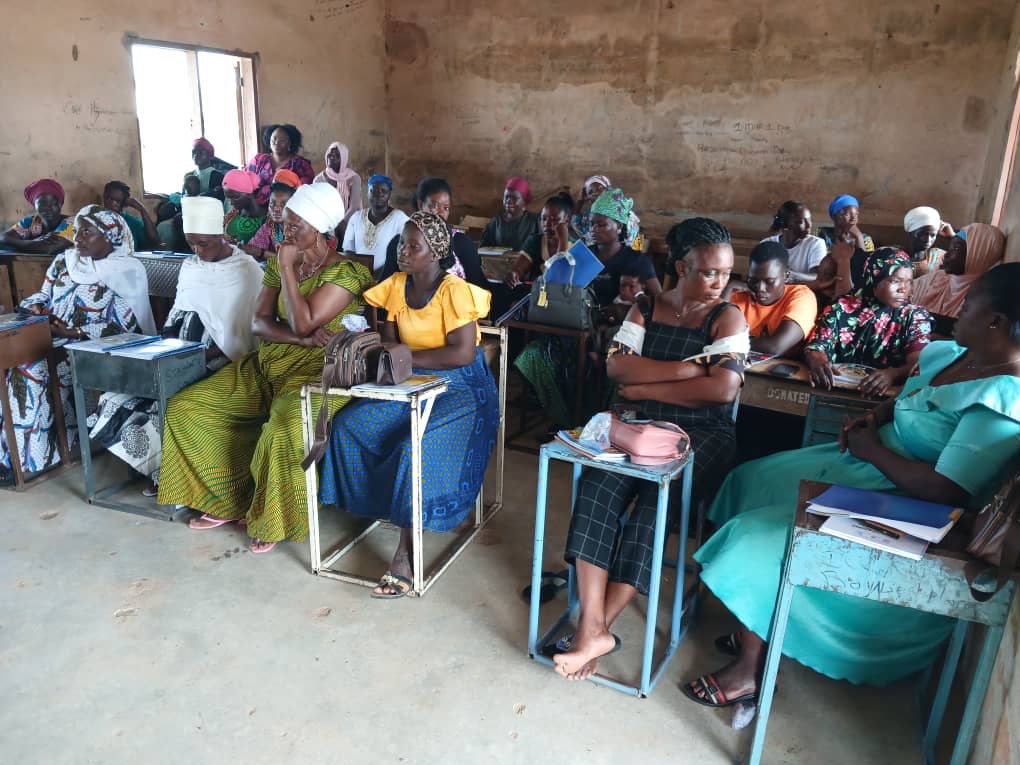
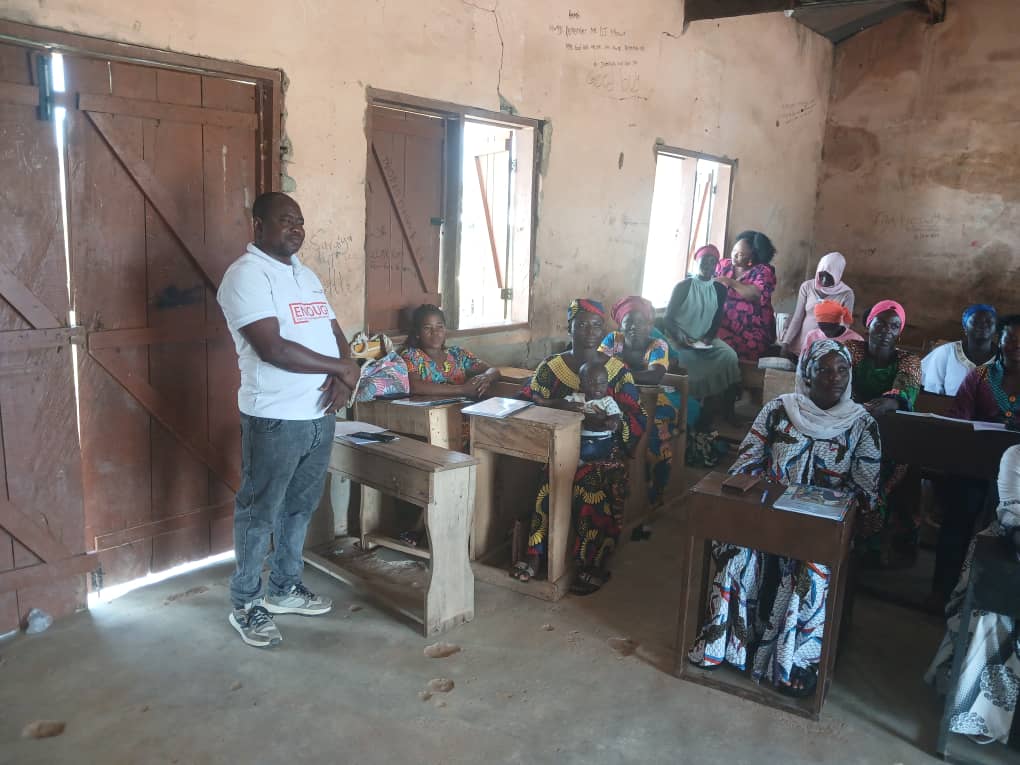
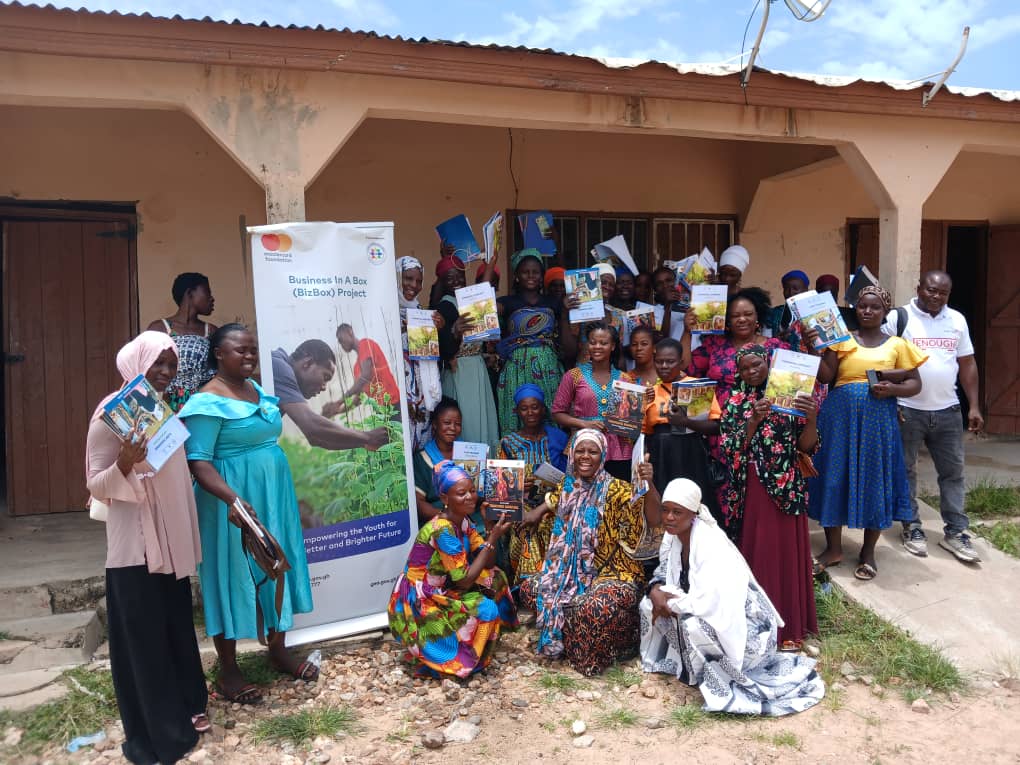
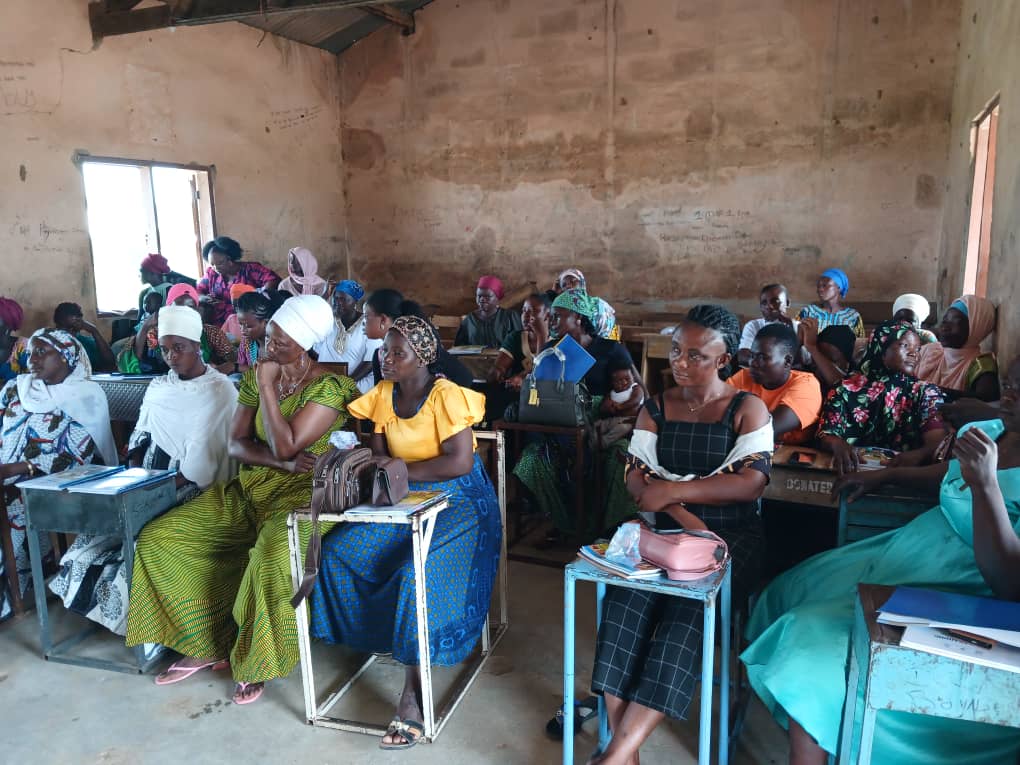
The Technical Training Program on livestock, rice processing and Cereals Processing in Bawku West District was a transformative initiative aimed at empowering local communities, especially women, to harness sustainable skills in the various trade areas. The program brought together participants with a shared goal of enhancing job creation, improving livelihoods, and value addition to raw material in the district.
Introduction and Orientation Session: The program began with an introductory session where participants were briefed on the objectives and expected outcomes. Facilitators highlighted the importance of technical skills acquisition in the various trade areas, particularly in addressing job creation and value-addition to products that could boost income. This session allowed the participants to share their current practices and challenges in their respective areas.
Demonstrations and Practical Training: Technical trainers, well-versed in the techniques and best practices in their respective trade areas led hands-on demonstrations. Participants learned various processing methods for rice, cereals like finished rice, and livestock products, focusing on improving productivities and packaging techniques. Trainers emphasized hygiene, safety, and quality control measures essential for producing market-ready products.
Equipment Operation and Maintenance: An important aspect of the training was introducing and demonstrating the use of processing equipment such as simple grinders, milling machines, and packaging tools. Trainers explained each machine’s operation and gave instructions on routine maintenance to ensure longevity and safety.
Value Addition and Product Development: The program incorporated sessions on value in addition to processed cereals. Participants explored creating products like flour mixes, ready-to-eat cereals, and fortified grains that could cater to market demand. Trainers also encouraged participants to consider branding and packaging options that could appeal to consumers beyond local markets.
Question and Feedback Sessions: Throughout the training, participants were encouraged to ask questions and share their thoughts on the techniques taught. This interactive component allowed trainers to address specific concerns and adapt their sessions to meet the group’s unique needs.
CLOSING CEREMONY
The program concluded on the third and fifth day for rice, cereal and livestock respectively with a review session where participants demonstrated the skills they had acquired and shared their plans for applying these techniques in their own ventures. Many expressed excitements about the opportunity to use their new skills to generate income and reduce food losses in their communities.
The Bawku West District BAC, along with technical trainers, committed to providing follow-up visits to ensure participants implements the skills acquired effectively and to offer additional support where needed.
Click To Maximize